Wall Insulation · Rochester Hills

Wall Insulation For Rochester Hills Homes That Stay Cold

We fill your wall cavities with foam, injected into closed walls or sprayed into open ones, so the rooms finally warm up.

1-2 days installs · typical timeline

Free Wall Insulation quote.

Tell us about the job. We reply within one business hour.

Your information is kept private. No spam, ever.

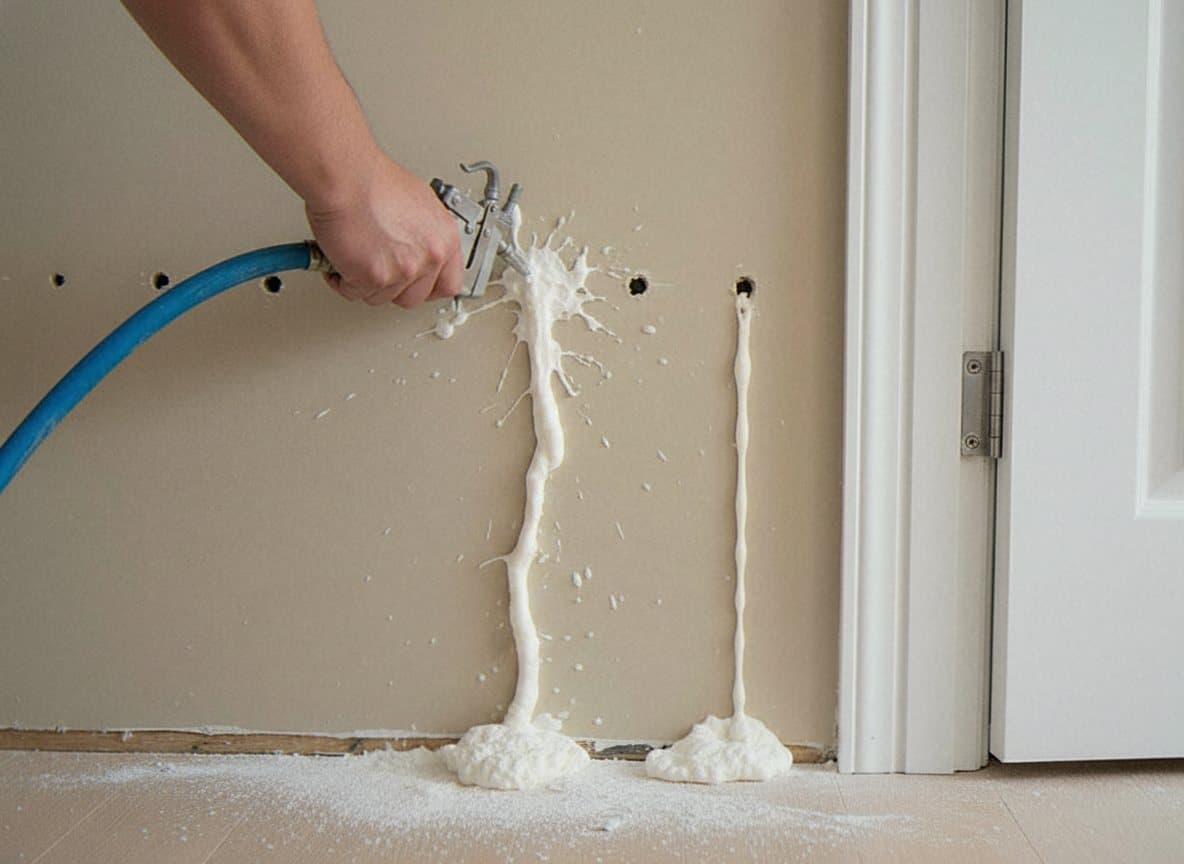
Technician injecting foam through drilled holes in a wall
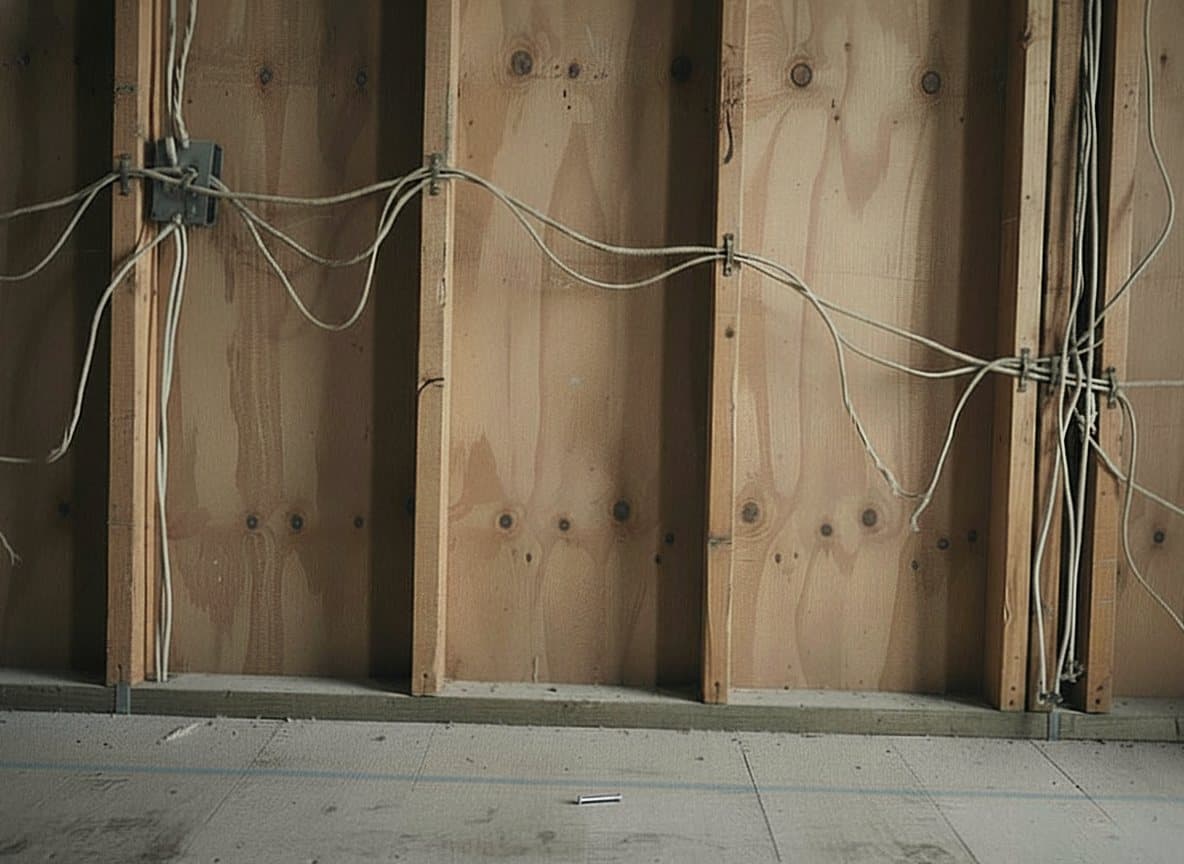
Open gutted interior wall down to studs with old wiring
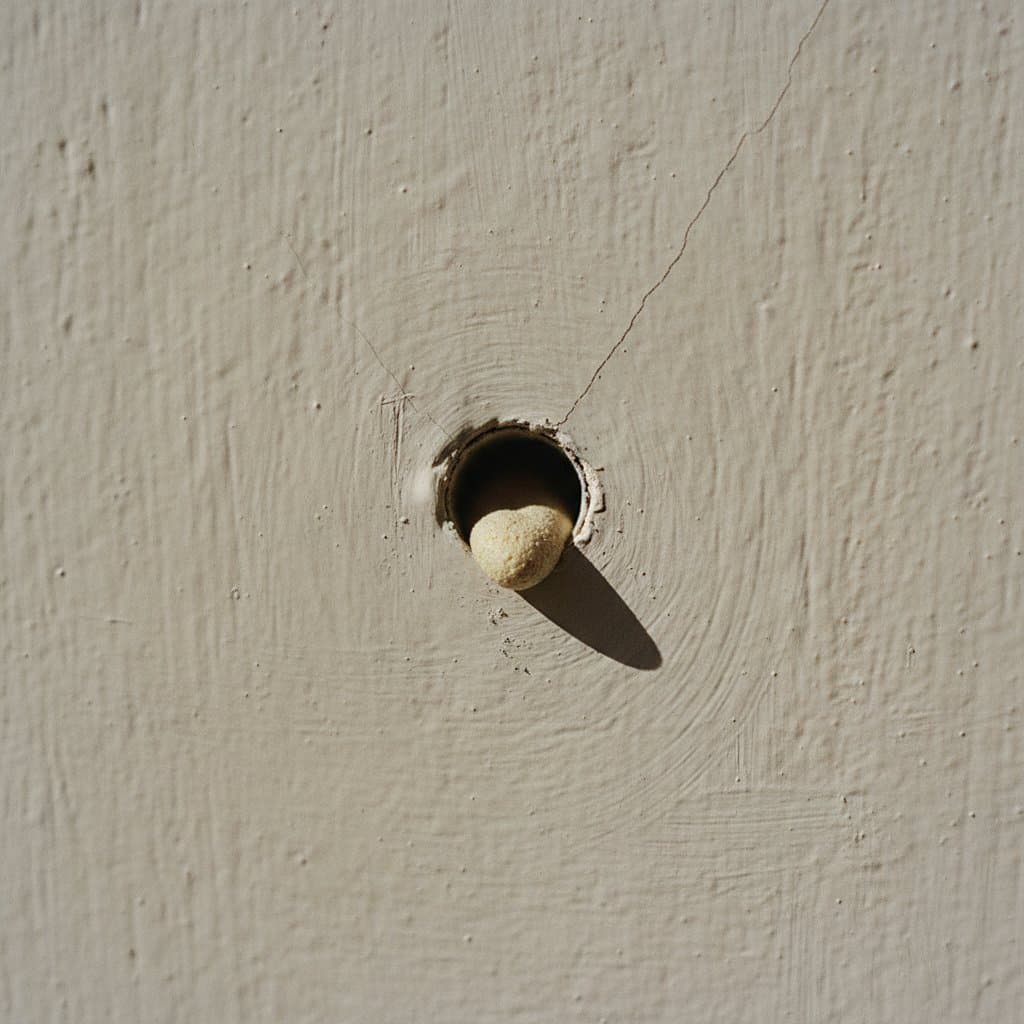
Close-up of a drilled injection port with cured foam
What we install

Fill The Walls, Warm The Rooms Along Them

Walls are the biggest cold surface in your home. In an older Rochester Hills house they are often the emptiest, because builders decades ago packed the bays with thin batts or left them bare, and over the years that batt settles and sags and opens up gaps where the cold slips through. Cold air pours in all winter. The rooms along an outside wall never quite warm up, no matter how long the furnace runs, and you feel it as a steady chill the moment you sit near the wall. Wall insulation in Rochester Hills fixes that. We fill the wall cavities with dense foam so the cold stays outside and the heat you already pay for stays in the room where you want it. Does a wall back up to an unheated garage or face the windy side of the house? That is where we start.

Wall insulation goes one of two ways. We pick the one that fits your wall. If the wall is open, like a gutted remodel or a new room, we spray foam straight into the bays and trim it flush with the studs so the wall is ready for drywall. If the wall is closed and you want to keep the finish, we drill a tidy row of small ports, inject foam through them, and patch the holes when we are done. The foam swells and fills the whole cavity. It wraps around every wire and pipe and leaves no gaps behind. For most walls we reach for open cell foam, which carries about 3.9 R per inch and softens the sound that carries between rooms. Where a wall sits hard against the cold, like a shared garage wall, we switch to closed cell foam at close to 6.8 R per inch. Either way the bay ends up full, edge to edge.

  • Fills the whole wall cavity with foam, edge to edge, no gaps.
  • Stops the cold draft that pours through empty or settled wall bays.
  • Works on closed walls too, injected through small ports we patch clean.
  • Softens the sound that carries between rooms and from outside.
  • Warms the rooms along an outside wall so they stop feeling chilly.
A wall cavity filled edge to edge keeps the cold out and the heat you pay for inside the room.

We work Rochester Hills and the rest of Oakland County, and walls are a daily part of what we do. We know the homes here. From the older places near downtown Rochester with their plaster walls to the newer builds out past Avon Road, we have opened them all and we know what tends to hide behind the drywall. Old knob wiring, settled batts, or a bay that was never filled at all. So we tell you straight whether your wall insulation needs a full fill or just the cold side done, and we never sell you more than the wall needs. We protect your floors and furniture, we keep the dust down when we drill, and we patch the ports clean before we go. Then we walk the finished wall with you.

If the rooms along your outside walls never seem to warm up, we can help. Get your free wall insulation quote today and we will tell you exactly what your walls need.
Materials

What Goes Into A Solid Wall Fill

A good wall fill starts with knowing what is behind the drywall. We check the depth of the bay, look for old wiring and pipes, and find the spots a batt left bare. The foam itself matters too. We use open cell foam for most walls, since it swells to fill a deep bay and softens sound, and we switch to closed cell foam where a wall sits hard against the cold. A cheap crew injects a little foam through one hole and hopes it spreads. It never does. You end up with cold voids buried in the wall that you cannot see and cannot easily fix later.

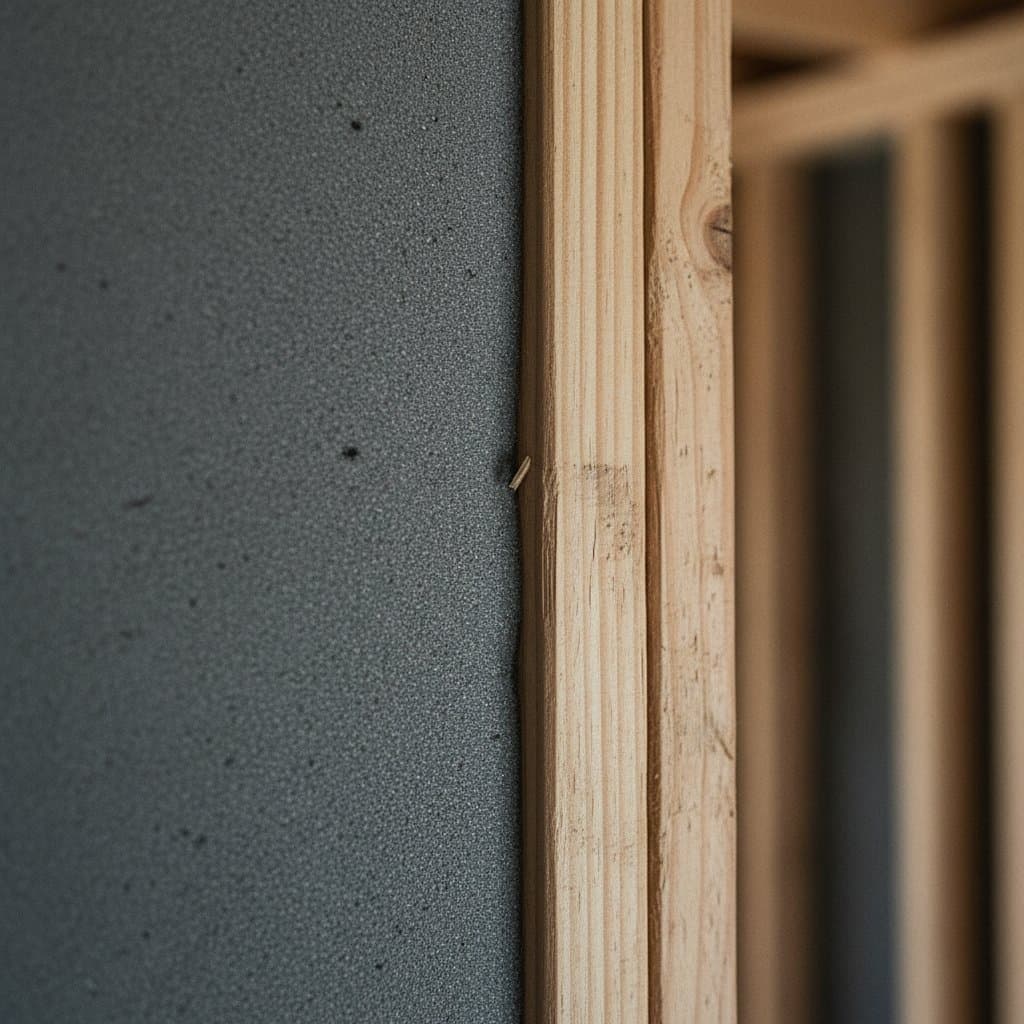
The fill is the other half of the job. On a closed wall we drill a tidy row of ports, one near the top and one near the bottom of each bay, so the foam reaches the whole cavity and not just the middle. We watch it come back out the ports. That tells us the bay is full. Then we patch the holes flush and clean. On an open wall we spray in even passes and trim the face level with the studs. A rushed crew skips the lower ports and leaves the bottom of the wall empty, which is the part that matters most in a cold Michigan winter. We fill it top to bottom and check every bay before we close it up.

  • We map the wiring and pipes before we drill a single port.
  • Open cell foam for most walls, near 3.9 R per inch.
  • Closed cell foam where the wall sits against the cold.
  • Ports top and bottom of each bay, so the whole cavity fills.
  • Holes patched flush and clean before we leave.
Close-up of trimmed wall foam meeting a stud edge
What about the alternatives?

Your Choices For Cold, Empty Walls

Cold walls can be handled a few ways, and the cheapest route often leaves you still feeling the draft. Here is how the common choices compare for a Rochester Hills home, so you can see where foam wins.

Injected foam in a closed wall

We drill small ports, inject foam through them, and fill the whole bay without tearing out your drywall. It treats the cold and the draft right at the source. That is why it is our top pick for a finished Rochester Hills wall.

Recommended

Spray foam in an open wall

If the wall is already open for a remodel, we spray foam straight into the bays and trim it flush. You get a full, sealed cavity with no gaps. The wall is ready for drywall the day we leave.

Recommended

Blown in cellulose or fiberglass

Blowing loose fill into the bays costs less, and it does add some R value. It settles over the years though, and it does not seal the air the way foam does, so the draft slowly creeps back into the room.

Acceptable

Leaving the walls as they are

The cold keeps pouring through the empty bays, the rooms stay chilly, and the furnace runs hard to make up for it. Old batts settle further every year, so the walls only get colder. Waiting tends to cost you on every winter bill.

Skip
How it goes

From quote to walk-on, fast.

1

Free walk-through

A short on-site visit. We look at the job in person and write a fixed quote on paper, not over the phone.

2

Prep the surface

The slow, unglamorous step most shortcuts skip. Done right here so the finish actually holds.

3

Do the work

A local crew runs the job in the order that lasts, with the materials named in the quote.

4

Walk it together

We hand the work back with a final walk-through, so you see exactly what was done and why.

Before you book

A Few Things Homeowners Ask First

Wall insulation is a real project, and on a finished wall it raises a few fair questions before you commit. We get that, and we would rather you ask now than wonder later. Here are the ones we hear most often from Rochester Hills homeowners.

Do you have to tear out my drywall to insulate the walls?

No, not in most cases. On a finished wall we drill a row of small ports, inject the foam through them, and patch the holes once the bay is full. You keep your drywall and your paint. We only spray into open bays when a wall is already torn out for a remodel or a new build.

Will the drilled holes show after you patch them?

We patch every port flush with the wall and leave it ready for paint. The holes are small and sit in a tidy row near the top and bottom of each bay. Once they are patched and the wall is painted, you would have to know where to look to spot them. We keep them neat for exactly that reason.

Can you really fill the whole wall through small holes?

Yes, and we check that we did. The foam swells inside the bay and pushes into every corner, around the wires and pipes. We drill ports at the top and bottom of each bay and watch the foam come back out, which tells us the cavity is full. That is how we know no cold voids are left behind.

How long does a wall insulation job take?

Most wall jobs run one to two days. It depends on how many walls you are doing and whether they are open or closed. Drilling and injecting a finished wall goes faster than you might think. We protect your floors, keep the dust down, patch the ports, and clean up before we leave.

Aftercare

Living With Insulated Walls

Once your walls are filled, they ask almost nothing of you. The foam stays put inside the bay and holds its work, so there is no topping up the way settled batts always need. You do not treat it, fluff it, or think about it again. The wall simply stays warmer on the cold side of the house, and the room in front of it stays comfortable right through a Michigan winter. There is one thing worth knowing. The foam is sealed inside the wall, so if a plumber or electrician ever opens that wall to work, give us a call afterward and we will refill any bay they had to cut into. Past that, there is nothing to do but enjoy the quieter, warmer rooms.

  • No topping up. The foam holds its work inside the wall.
  • Nothing to treat, fluff, or fuss with over the years.
  • Call us to refill a bay if a trade opens the wall later.
  • Enjoy warmer, quieter rooms along your outside walls.
Technician injecting foam through drilled holes in a wall
FAQ

Wall Insulation Questions Homeowners Ask

What is the difference between open-cell and closed-cell spray foam?

Closed cell foam is dense and hard. It packs a high R-value into a thin layer and blocks both air and water, which is why we reach for it on rim joists and crawl spaces where the cold sits right against the wood. Open cell foam is the lighter one. It expands to fill a whole wall bay and quiets the room while it seals, and we pick the foam that fits the space before we ever spray.

Is spray foam insulation worth it for an older Rochester Hills home?

For most older homes here, yes. The attic floor, the top of the walls, and the rim joist are where the air leaks worst, and once we seal those gaps the furnace runs less and the cold rooms finally warm up. We come out and find the real problem. Then we put a free quote in writing before you owe us a thing.

How much can spray foam insulation lower my energy bills?

It depends. How leaky your home is now, and where we seal it, decides how much you save, but most homes bleed heat through the attic and the rim joist. Close those gaps and the furnace cycles less. We give you an honest read instead of a wild promise.

Is spray foam insulation safe once it is fully cured?

Yes. Once the foam cures hard it turns inert, and it stays put in your walls and attic without giving off fumes. The key is a clean mix and a full cure. So we run our gear by the numbers, watch the set on every pass, and air the space out before you move back in.

Can you spray foam over my existing insulation, or does it need to come out first?

It depends on what is there now. Old, wet, or moldy insulation has to come out first, because foam will not stick to a dirty or damp surface. Dry, sound insulation can sometimes stay. We check the space and tell you which way makes sense for your home.

Ready for a quote in Rochester Hills?

Send a few photos or book a free on-site walk-through. A fixed written quote within one business day.

CallFree quote