New Construction Insulation · Rochester Hills

New Construction Insulation In Rochester Hills

We insulate and air seal your new build from the studs out, so it holds heat tight before the drywall ever goes up.

1-2 days installs · typical timeline

Free New Construction Insulation quote.

Tell us about the job. We reply within one business hour.

Your information is kept private. No spam, ever.

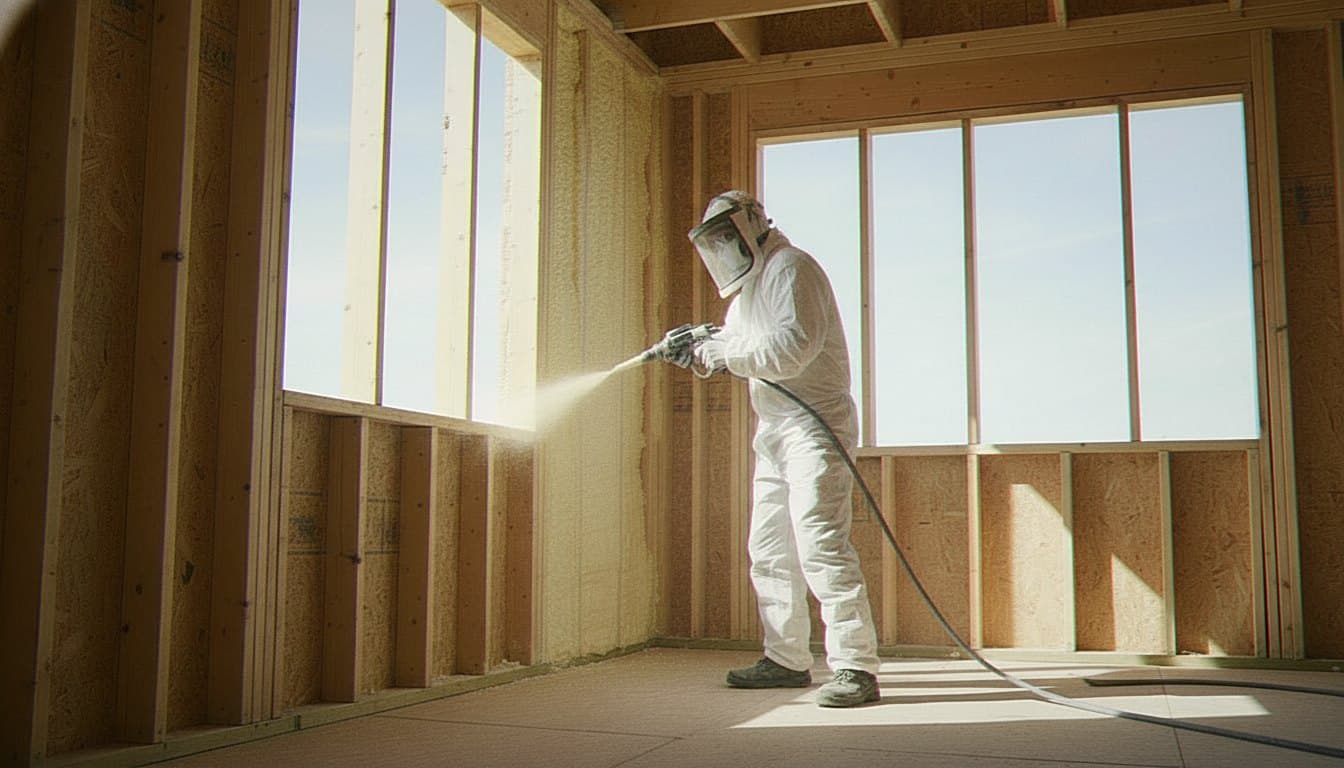
Applicator spraying foam across new home wall framing
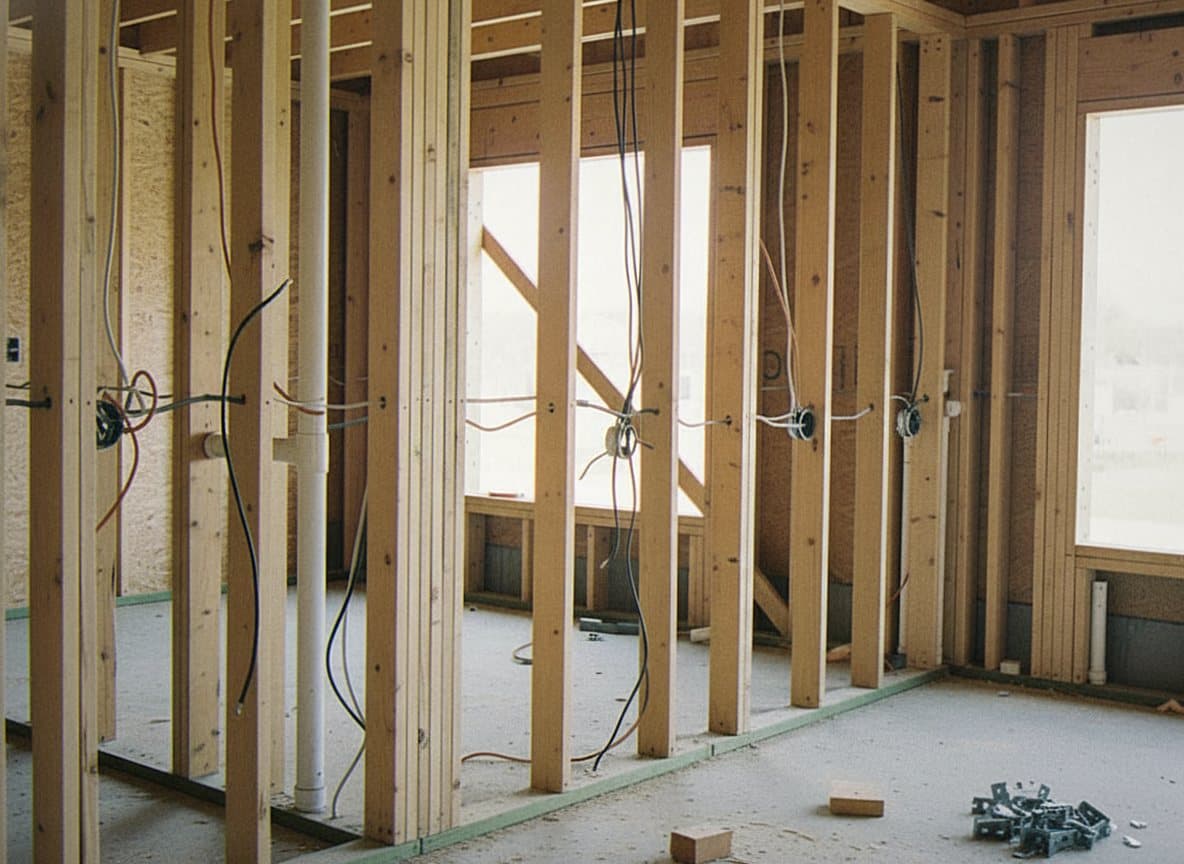
Bare wall framing with wiring and plumbing roughed in
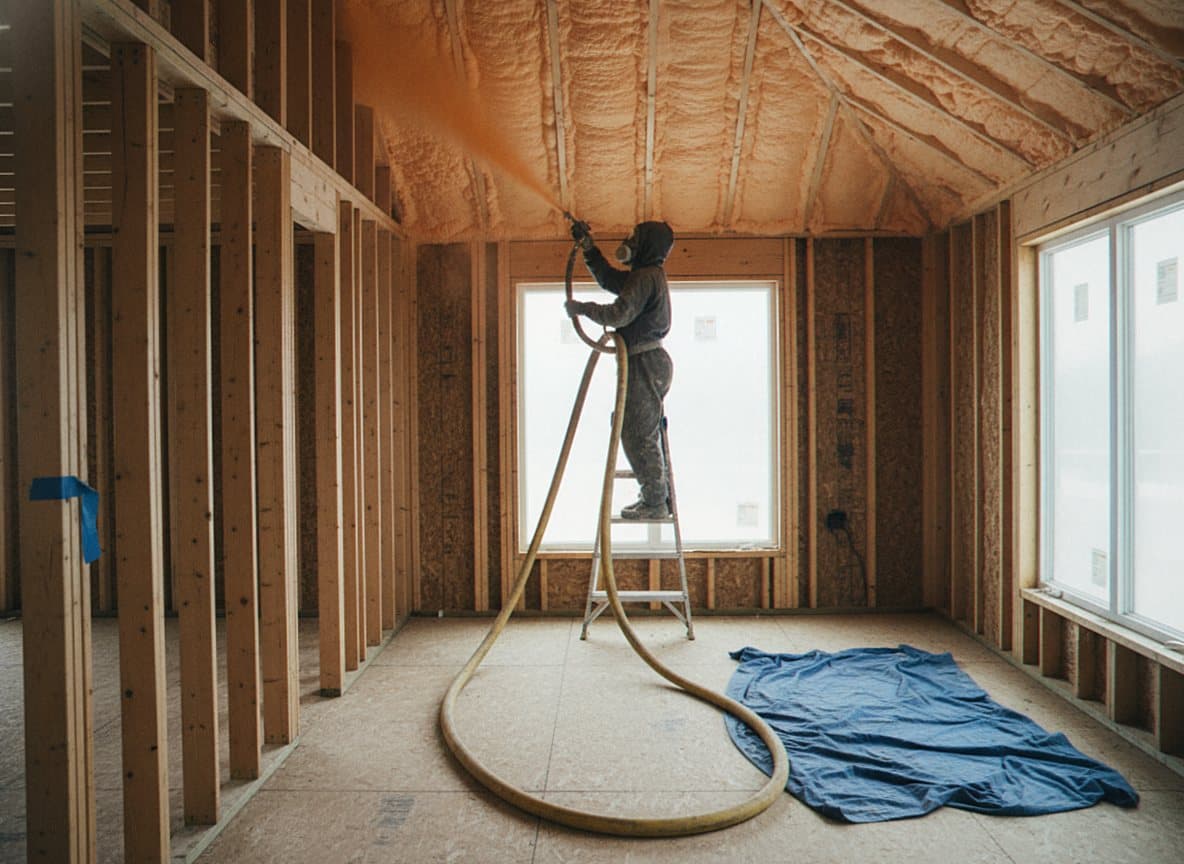
Applicator on a ladder spraying foam into cathedral rafters
What we install

Build It Tight Before The Drywall Goes Up

New construction insulation is the work we do while your home is still open to the studs, and it is the easiest time to get the whole house right. Before any drywall goes up, every wall bay, every rafter, and the rim around the foundation sits open and easy to reach. That is the one window when we can seal the air leaks and pack in the foam with nothing in the way. Miss it, and those gaps get closed behind the drywall for good. We come in after the wiring and plumbing are run, spray foam through the whole shell, and leave the place sealed tight for the drywall crew. A home built this way holds its heat from the first Michigan winter on. The furnace runs less, the rooms stay even, and the drafts that haunt so many older houses never get a start. Get it right while the walls are open, and you are set for years.

New construction insulation follows the framing schedule. We come in once the rough wiring and plumbing pass inspection, and before the drywall goes up. Two kinds of foam do the work, and we pick the one that fits each part of the house. In the walls and the underside of the roof we often spray open cell foam, which swells to fill a deep bay and carries about 3.9 R per inch. Against the cold ground, at the rim of the foundation and along basement walls, we switch to closed cell foam, which blocks air and water in one dense layer at close to 6.8 R per inch. Our crew sprays the whole shell in even passes, then trims the foam flush with the studs so the wall is ready for drywall the day we leave. Foam will not grip a wet or dusty surface, so we clean the bays first. The prep is half the job.

  • Our new construction insulation seals the whole shell while the framing is still open.
  • Foam fills every wall and roof bay edge to edge, with no cold gaps left behind.
  • Air sealing and the foam go in together, in one pass.
  • Closed cell foam at the rim joist blocks cold and damp, near 6.8 R per inch.
  • Your home holds its heat from the first winter on.
Sealing a home while the walls are open is the one shot to build it tight from the start.

We work Rochester Hills and the rest of Oakland County, and new construction insulation is a big part of what we do. We know the builders here, and we know how the new homes go up around here, from the subdivisions filling in along the edge of Oakland Township to the one off custom builds out past downtown Rochester. So we work to your schedule, not ours. We slot in during the short window between the rough inspection and the drywall, and we do not hold up the framers, the electricians, or the crew that comes in behind us. When we come out, we read the plans and tell you straight which foam fits each part of the house. A walkout basement wall is not a bonus room ceiling. We spray each one the right way. We protect the site, we keep our mess to ourselves, and we walk the finished shell with you or your builder before we leave.

If you are building in Rochester Hills, the time to insulate right is before the drywall goes up. Get your free new construction insulation quote today, and we will fit it into your build schedule.
Materials

What Goes Into A Tight New Build

A new build is the one time the whole shell is open, so good new construction insulation starts with a plan for every part of it. The walls, the roof, the rim of the foundation, and the floors over an unheated space each lose heat in their own way. We map that out before we spray. A cheap crew runs the same foam everywhere and calls it done. We match the foam to the job, open cell where we need to fill a deep bay and quiet a room, closed cell where the framing sits against the cold ground.

Depth and an even coat are the rest of it. Open cell foam carries near 3.9 R per inch and closed cell near 6.8, so we build each surface to the depth your plans and the energy code call for. We measure as we go and pass back over any thin spots, because one cold gap in a wall undoes the work around it. We seal the air leaks first, around every wire, pipe, and the spot where the framing meets, then lay the foam over a clean, dry surface. An even, sealed shell is what lets a new home hold its heat.

  • Each surface matched to the right foam, wall to roof to rim.
  • Open cell near 3.9 R per inch, closed cell near 6.8.
  • Built to the depth your plans and the energy code call for.
  • Air leaks sealed first, then foam over a clean, dry surface.
  • Even coats checked across the whole shell, no thin spots.
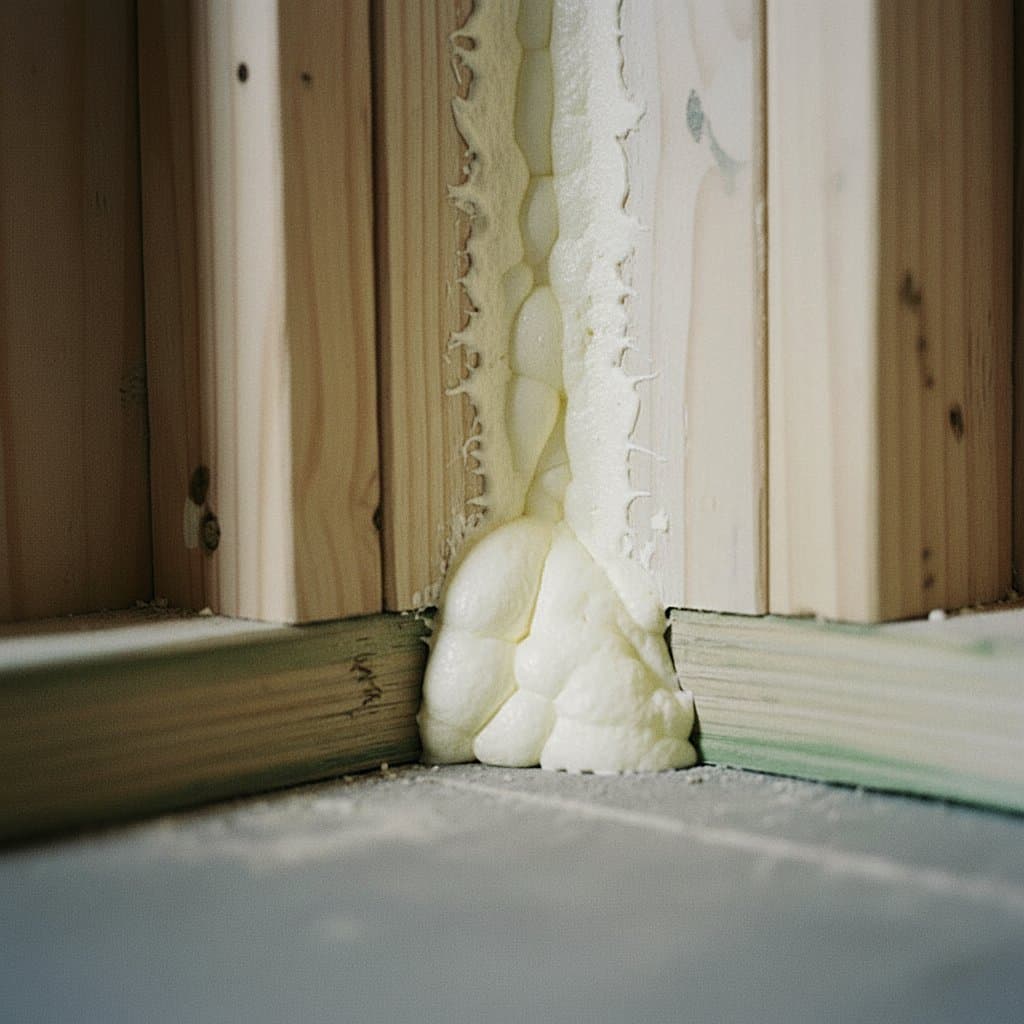
Close-up of fresh foam sealing an inside framing corner
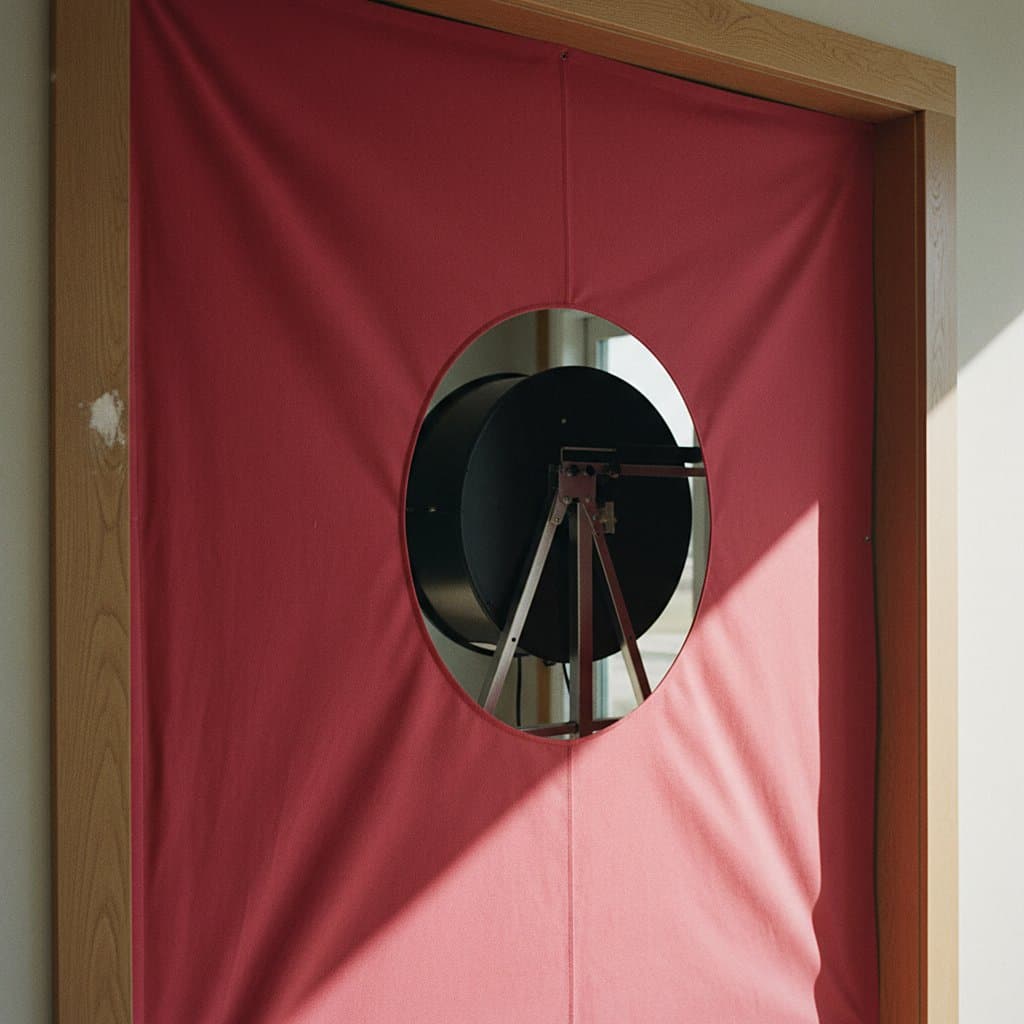
Close-up of a red blower-door panel in a doorway
What about the alternatives?

Spray Foam Against The Other Ways To Insulate A New Build

Foam is one of a few ways to insulate a new home, and a builder will weigh the options on the bid. Here is how they compare for a new build in Rochester Hills, where our winters test every choice.

Spray foam through the whole shell

It seals the air and insulates in one pass, filling every bay edge to edge and building the home tight from the start. A hard Michigan winter calls for that kind of shell, which is why it is our pick for a new build.

Recommended

Foam at the rim and walls, batts in the attic

Spraying the rim and walls for the air seal, then laying a deep blanket in the attic, cuts the cost while still sealing the spots that leak most. A sound middle road when the budget is tight.

Acceptable

Fiberglass batts everywhere

The cheap default in new builds. They do nothing to stop air, they leave gaps around the wires and pipes, and they sag over the years, so the home never seals up the way a foam shell does.

Skip

Skipping the air seal

Insulation with no air seal leaves the drafts in place behind the drywall. The home looks finished but leaks from day one, and once the walls are closed there is no easy fix.

Skip
How it goes

From quote to walk-on, fast.

1

Free walk-through

A short on-site visit. We look at the job in person and write a fixed quote on paper, not over the phone.

2

Prep the surface

The slow, unglamorous step most shortcuts skip. Done right here so the finish actually holds.

3

Do the work

A local crew runs the job in the order that lasts, with the materials named in the quote.

4

Walk it together

We hand the work back with a final walk-through, so you see exactly what was done and why.

Before you book

A Few Things Builders And Owners Ask First

New construction insulation is a real line on the build, so it makes sense to ask a few questions before you book. Here are the ones we hear most from Rochester Hills builders and owners.

When do you come in during the build?

After the rough wiring and plumbing pass inspection, and before the drywall goes up. That open window is the whole point, since the framing is easy to reach and nothing stands in the way. We coordinate with your builder so we hit the schedule and never hold up the trades that follow us.

Will spray foam pass the energy code inspection?

Yes. We build each surface to the depth the Michigan energy code calls for, and a sealed foam shell tends to test well for air leakage. If your build calls for a blower door test, a tight foam shell is exactly what helps the reading come back low.

Is foam worth it over cheaper batts in a new build?

In this climate, most owners think so. Batts cost less up front, but they do nothing to seal the air, and they leave the gaps that make a house drafty. Foam seals and insulates in one pass, so the new home holds its heat from the very first winter.

Does the foam slow down the rest of the build?

Not when we plan it right. A whole shell sprays in a day or two, depending on how big the home is. We trim the foam flush and clean up so the drywall crew can start right behind us.

Aftercare

Living In A Home Sealed From The Start

The best part of new construction insulation is that it asks almost nothing of you once you move in. The foam cures hard inside the walls and roof, holds its shape, and keeps its R value, so there is no topping it up the way settled batts always need. You do not seal it, paint it, or treat it, and the drywall sits right over it. About the only thing worth doing is a quick look during any later work in the attic or basement, just to be sure no one has cut into the seal while running a wire or a pipe. Pests do not nest in cured foam the way they burrow into old batts, which is one less worry down the road. If a trade ever opens a wall or the attic after you move in, give us a call and we will reseal the spot so the whole shell stays tight. Past that, you just enjoy a home that was built to hold its heat.

  • No topping up. The foam holds its shape and R value for years.
  • Nothing to seal, paint, or treat once the home is finished.
  • Take a quick look if a trade opens a wall or the attic later.
  • Call us to reseal any spot that gets cut into down the road.
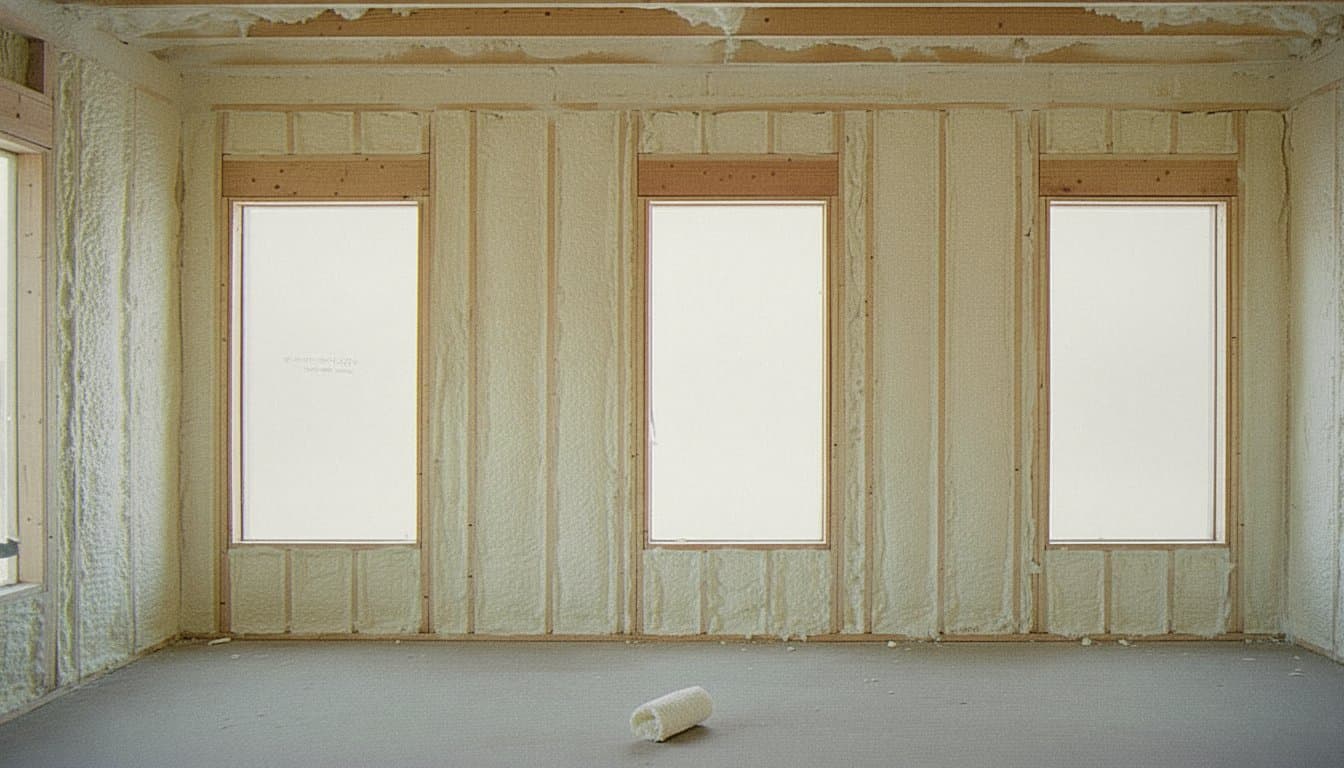
New-construction interior with wall bays and rafters foamed
FAQ

New Construction Insulation Questions

What is the difference between open-cell and closed-cell spray foam?

Closed cell foam is dense and hard. It packs a high R-value into a thin layer and blocks both air and water, which is why we reach for it on rim joists and crawl spaces where the cold sits right against the wood. Open cell foam is the lighter one. It expands to fill a whole wall bay and quiets the room while it seals, and we pick the foam that fits the space before we ever spray.

Is spray foam insulation worth it for an older Rochester Hills home?

For most older homes here, yes. The attic floor, the top of the walls, and the rim joist are where the air leaks worst, and once we seal those gaps the furnace runs less and the cold rooms finally warm up. We come out and find the real problem. Then we put a free quote in writing before you owe us a thing.

How much can spray foam insulation lower my energy bills?

It depends. How leaky your home is now, and where we seal it, decides how much you save, but most homes bleed heat through the attic and the rim joist. Close those gaps and the furnace cycles less. We give you an honest read instead of a wild promise.

Is spray foam insulation safe once it is fully cured?

Yes. Once the foam cures hard it turns inert, and it stays put in your walls and attic without giving off fumes. The key is a clean mix and a full cure. So we run our gear by the numbers, watch the set on every pass, and air the space out before you move back in.

Can you spray foam over my existing insulation, or does it need to come out first?

It depends on what is there now. Old, wet, or moldy insulation has to come out first, because foam will not stick to a dirty or damp surface. Dry, sound insulation can sometimes stay. We check the space and tell you which way makes sense for your home.

Ready for a quote in Rochester Hills?

Send a few photos or book a free on-site walk-through. A fixed written quote within one business day.

CallFree quote