Attic Insulation · Rochester Hills

Attic Insulation In Rochester Hills

We seal and insulate your attic, where most of a Rochester Hills home loses heat, so your house stays warm and your bills come down.

1 day installs · typical timeline

Free Attic Insulation quote.

Tell us about the job. We reply within one business hour.

Your information is kept private. No spam, ever.

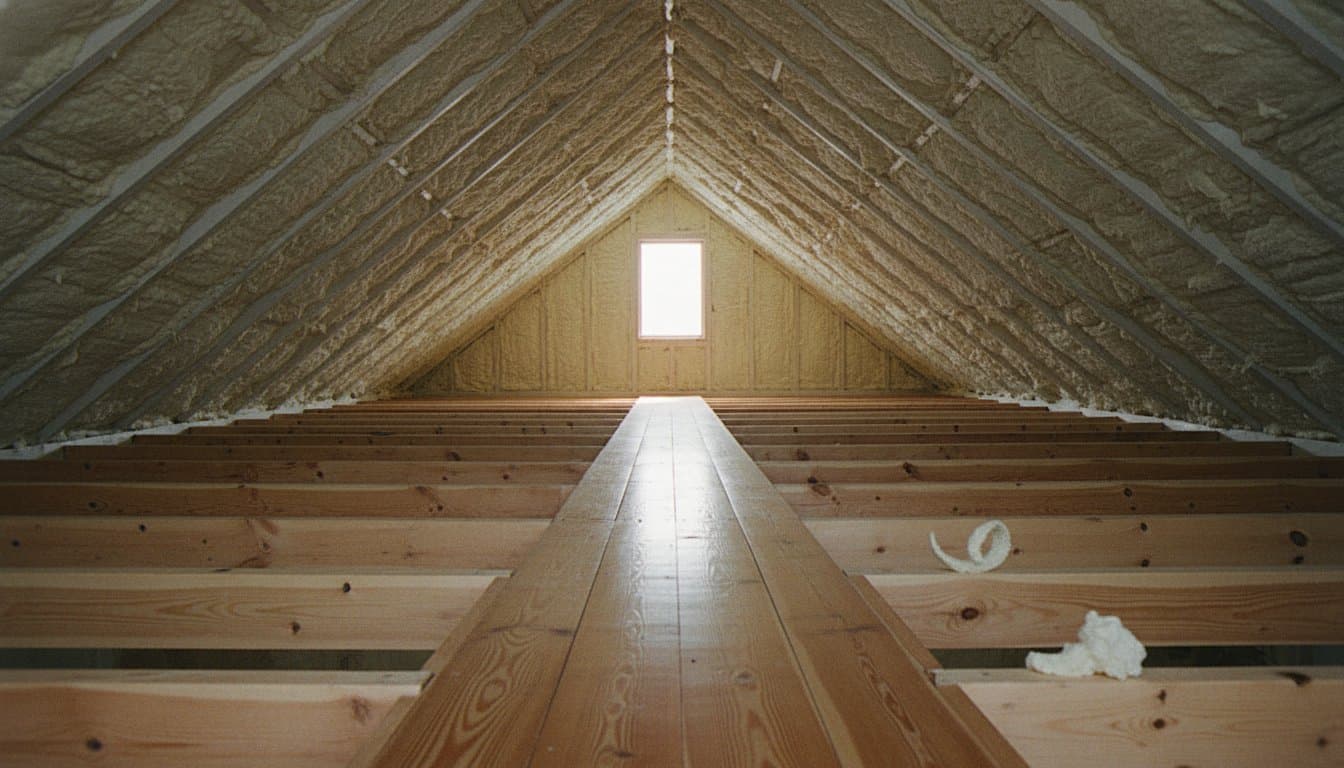
Finished attic with roof deck evenly coated in foam
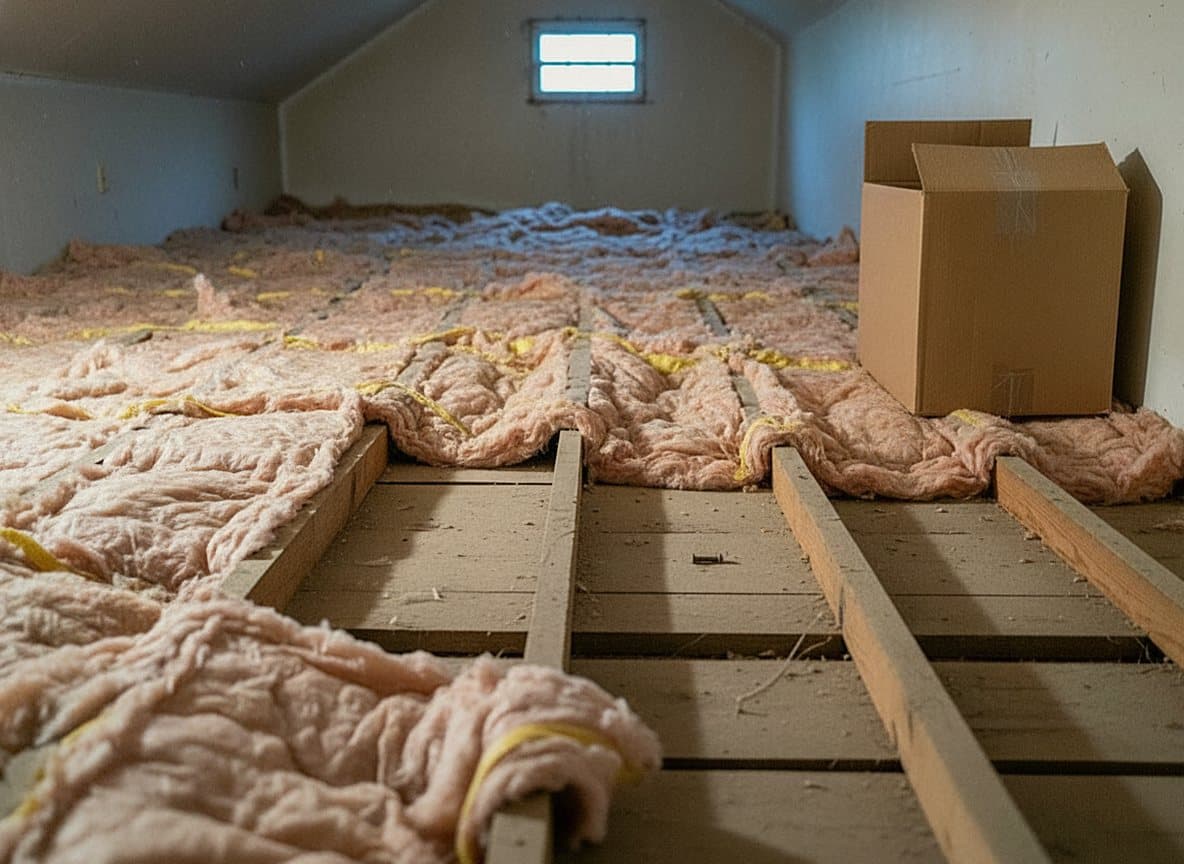
Patchy thin old fiberglass on attic floor, bare joists
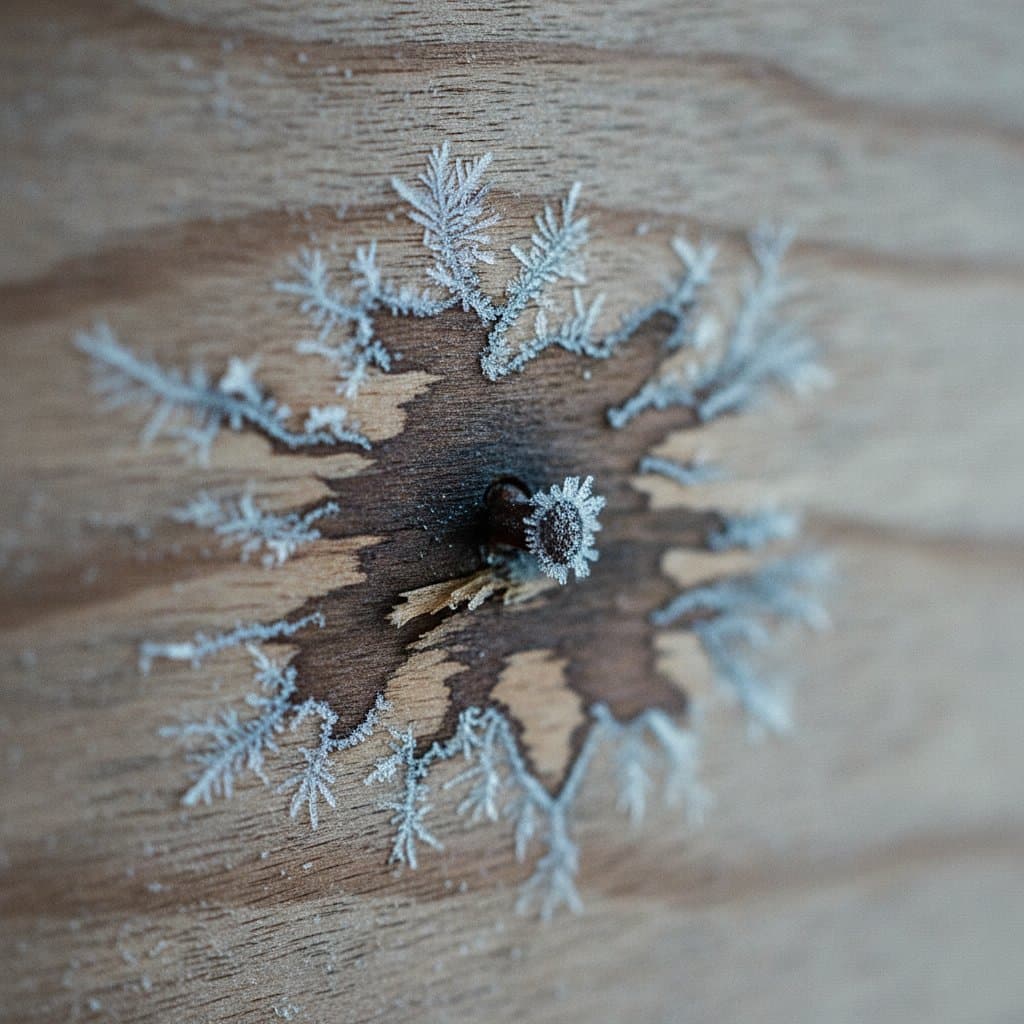
Close-up of frost and moisture stain on roof sheathing
What we install

Seal The Attic And Keep Your Heat Inside

Attic insulation is the first place we look when a Rochester Hills home runs cold and the heating bill keeps climbing. Heat rises. All winter it pushes up through the ceiling and slips out through the attic, and your furnace just makes more to replace it. Most older attics up here have a thin, patchy layer that settled years ago and never sealed the air leaks underneath. So the warm air keeps leaking out the top of the house. We stop that. We seal the gaps in the attic floor first, then add insulation so the heat you pay for stays down where you live.

There are two ways we insulate an attic, and we pick the one that fits your home. The common way is to work the attic floor. We seal every spot where air sneaks up from the rooms below, the tops of the walls, the holes cut for wires and pipes, the gap around the hatch, then we lay insulation over the joists. The other way is to spray foam right onto the underside of the roof. That brings the whole attic inside the warm part of the house, which is the right call when ducts or a furnace live up there. Spray foam does double duty. It seals the air and insulates in one pass, so there is no separate step to chase down leaks. We walk your attic, look at how it is built, and tell you which way makes sense before any work starts.

  • We air seal the attic floor before we add any insulation.
  • It stops the heat that rises and leaks out the top of your house.
  • It cuts the ice dams that build along cold Michigan roofs.
  • It warms up the upstairs rooms that never seem to hold heat.
  • Foam on the roof deck seals the air and insulates in one pass.
Most of a home's heat escapes through the attic, so sealing it first is where the savings start.

We work Rochester Hills and the rest of Oakland County, and attics are a big part of what we do. We know the homes here, from the ranches over toward Auburn Hills to the older homes with a second floor near downtown Rochester, and we know how a Michigan winter finds every weak spot up top. So when we climb into your attic, we look at what is actually going on. Maybe the old insulation is fine and you only need the air leaks sealed for a small fraction of a full job. We will tell you that straight. We show up when we say we will, we protect the rooms below the hatch, and we walk the finished attic with you before we leave.

If the upstairs runs cold or your winter bills keep climbing, your attic is the place to start. Get your free attic insulation quote today.

Materials

What Goes Into A Quality Attic Job

A good attic job starts with air sealing, not insulation. Warm air leaks up through dozens of small gaps in the attic floor, the tops of the walls, the holes for wires and pipes, the chase around the chimney, the hatch you climb through. We find those gaps and seal them first. Insulation laid over an open leak does almost nothing, because the air just slips past it. Sealing the leaks is the step a cheap crew skips, and it is the step that makes the rest of the work pay off.

Then comes depth, and depth is where an attic job pays off. Michigan code calls for a deep layer up top, far more than you need in a wall, because the attic is where the most heat is lost. When we spray foam onto the roof deck, closed cell gives about 6.8 R per inch and open cell about 3.9, so we build the layer to the depth your attic needs. We measure as we go and pass back over any thin spots. An even blanket with no gaps is what holds the heat in, not a number that only looks good on the quote.

  • Air leaks in the attic floor sealed first.
  • Depth built to what a Michigan attic needs.
  • Closed cell near 6.8 R per inch, open cell near 3.9.
  • Thin spots passed over for an even, gap free layer.
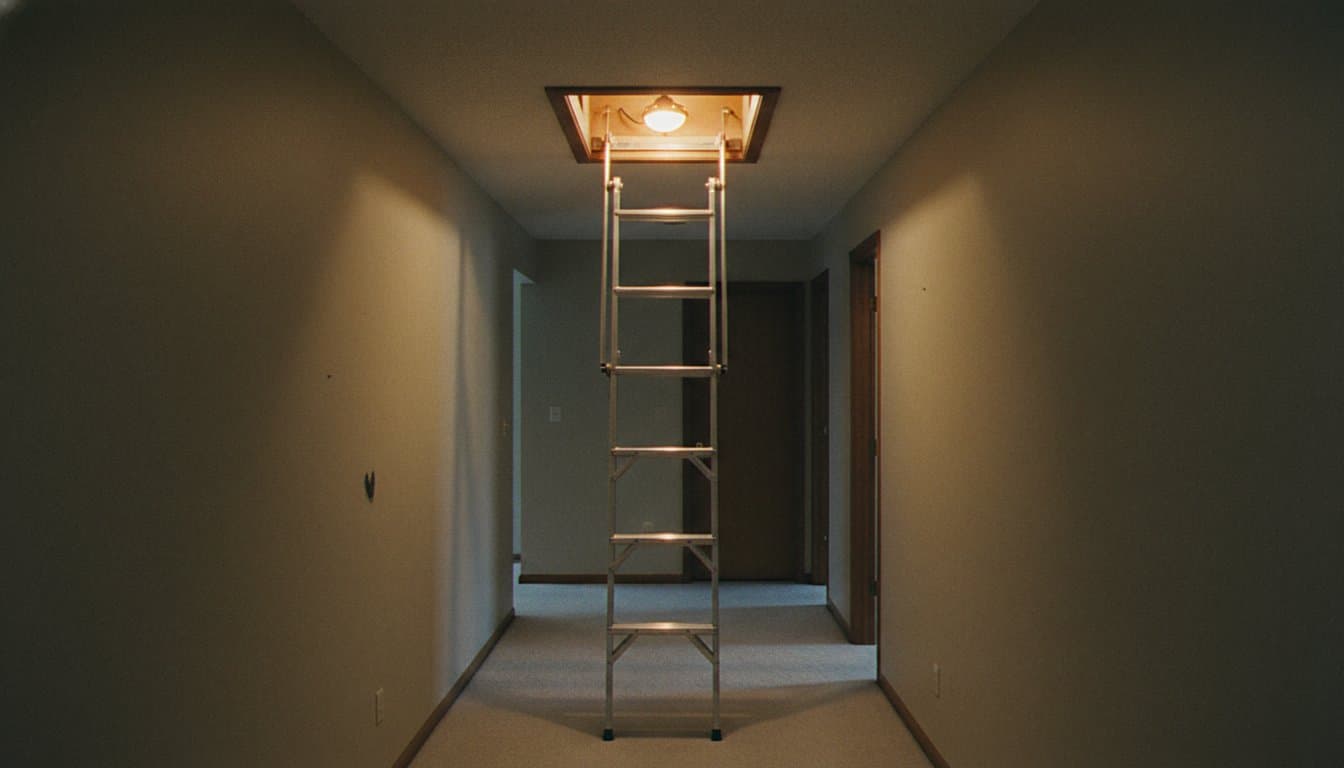
Open pull-down attic hatch with ladder and work light
Homeowner adjusting a thermostat on a winter morning
What about the alternatives?

Your Choices For Insulating An Attic

A cold attic can be handled a few ways, and the cheap route is not always the one that pays off. Here is how the common choices compare for a Rochester Hills home.

Spray foam on the roof deck

It seals the air and insulates in one pass, and it brings the whole attic inside the warm part of the house. This is the right call when ducts or a furnace sit up there, or when you want the tight seal a hard Michigan winter calls for.

Recommended

Air sealing plus blown insulation on the floor

We seal the floor leaks, then blow a deep layer over the joists. It works well when the attic stays vented and nothing mechanical lives up top, and it tends to cost less than a full roof deck spray.

Acceptable

Adding more fiberglass over old batts

Piling fresh batts on top of the old settled ones feels cheap and easy. The trouble is it skips the air sealing underneath, so the warm air keeps leaking right past the new layer and the attic stays just as cold.

Skip

Doing nothing

The heat keeps rising and escaping, the bills stay high, and the ice dams keep forming every January. Waiting only lets the problem ride another winter.

Skip
How it goes

From quote to walk-on, fast.

1

Free walk-through

A short on-site visit. We look at the job in person and write a fixed quote on paper, not over the phone.

2

Prep the surface

The slow, unglamorous step most shortcuts skip. Done right here so the finish actually holds.

3

Do the work

A local crew runs the job in the order that lasts, with the materials named in the quote.

4

Walk it together

We hand the work back with a final walk-through, so you see exactly what was done and why.

Before you book

A Few Things Homeowners Ask First

Attic insulation is a real investment, so it makes sense to ask a few questions before you book. Here are the ones we hear most.

Will sealing my attic cause moisture problems?

It is the opposite. Most attic moisture comes from warm, damp air leaking up from the house and hitting the cold roof, where it turns to frost and then drips. By sealing those leaks, we stop the damp air before it ever reaches the cold deck. When we foam the roof deck, we set the attic up so it stays dry and the framing stays sound.

Do I have to remove the old insulation first?

Not always. If the old layer in your attic is dry and clean, we can often seal the air leaks and add right over it. If it is wet, matted, or full of rodent mess, it has to come out so we are not sealing trouble in. We check what is up there and tell you straight which way the job should go.

How much can attic insulation lower my heating bill?

We will not throw a number at you, because every home is different. What we can say is this. The attic is where most homes lose the most heat. So it is usually the spot where new insulation pays back the most. You tend to feel it the same winter, in a furnace that runs less and upstairs rooms that finally hold their heat.

How long does an attic job take?

Most attics we finish in a single day. Air sealing and a fresh layer of insulation can be done in a few hours on a smaller home, while spraying a full roof deck may run the whole day. We protect the rooms below, do the work, and clean up the hatch area before we go.

Aftercare

Living With Your Attic After We Leave

Once your attic is sealed and insulated, it asks very little of you. The work stays put and holds its R value, so there is no topping it up every few years the way settled batts need. You do not seal it, treat it, or fuss with it. The one habit worth keeping is a quick look during any other attic work, just to be sure no one has pushed insulation aside or cut into the seal while running a wire. If a new bath fan or light gets added up there later, give us a call and we will reseal around it so the attic stays tight. Watch your roof in winter too. If the snow melts in odd stripes or ice builds along the edge, that can point to a new leak, and we can come back and chase it down.

  • No topping up. The insulation holds its shape and R value.
  • Nothing to seal or treat once the work is done.
  • Call us to reseal around any new fan, light, or wire.
  • Watch for winter ice along the roof edge as a sign of a new leak.
Finished attic with roof deck evenly coated in foam
FAQ

Common Attic Insulation Questions

What is the difference between open-cell and closed-cell spray foam?

Closed cell foam is dense and hard. It packs a high R-value into a thin layer and blocks both air and water, which is why we reach for it on rim joists and crawl spaces where the cold sits right against the wood. Open cell foam is the lighter one. It expands to fill a whole wall bay and quiets the room while it seals, and we pick the foam that fits the space before we ever spray.

Is spray foam insulation worth it for an older Rochester Hills home?

For most older homes here, yes. The attic floor, the top of the walls, and the rim joist are where the air leaks worst, and once we seal those gaps the furnace runs less and the cold rooms finally warm up. We come out and find the real problem. Then we put a free quote in writing before you owe us a thing.

How much can spray foam insulation lower my energy bills?

It depends. How leaky your home is now, and where we seal it, decides how much you save, but most homes bleed heat through the attic and the rim joist. Close those gaps and the furnace cycles less. We give you an honest read instead of a wild promise.

Is spray foam insulation safe once it is fully cured?

Yes. Once the foam cures hard it turns inert, and it stays put in your walls and attic without giving off fumes. The key is a clean mix and a full cure. So we run our gear by the numbers, watch the set on every pass, and air the space out before you move back in.

Can you spray foam over my existing insulation, or does it need to come out first?

It depends on what is there now. Old, wet, or moldy insulation has to come out first, because foam will not stick to a dirty or damp surface. Dry, sound insulation can sometimes stay. We check the space and tell you which way makes sense for your home.

Ready for a quote in Rochester Hills?

Send a few photos or book a free on-site walk-through. A fixed written quote within one business day.

CallFree quote