Closed-Cell Spray Foam Insulation · Rochester Hills

Closed Cell Spray Foam Insulation In Rochester Hills

We seal rim joists, basement walls, and cold floors with dense closed cell spray foam that blocks air and water in one pass.

1 day installs · typical timeline

Free Closed-Cell Spray Foam Insulation quote.

Tell us about the job. We reply within one business hour.

Your information is kept private. No spam, ever.

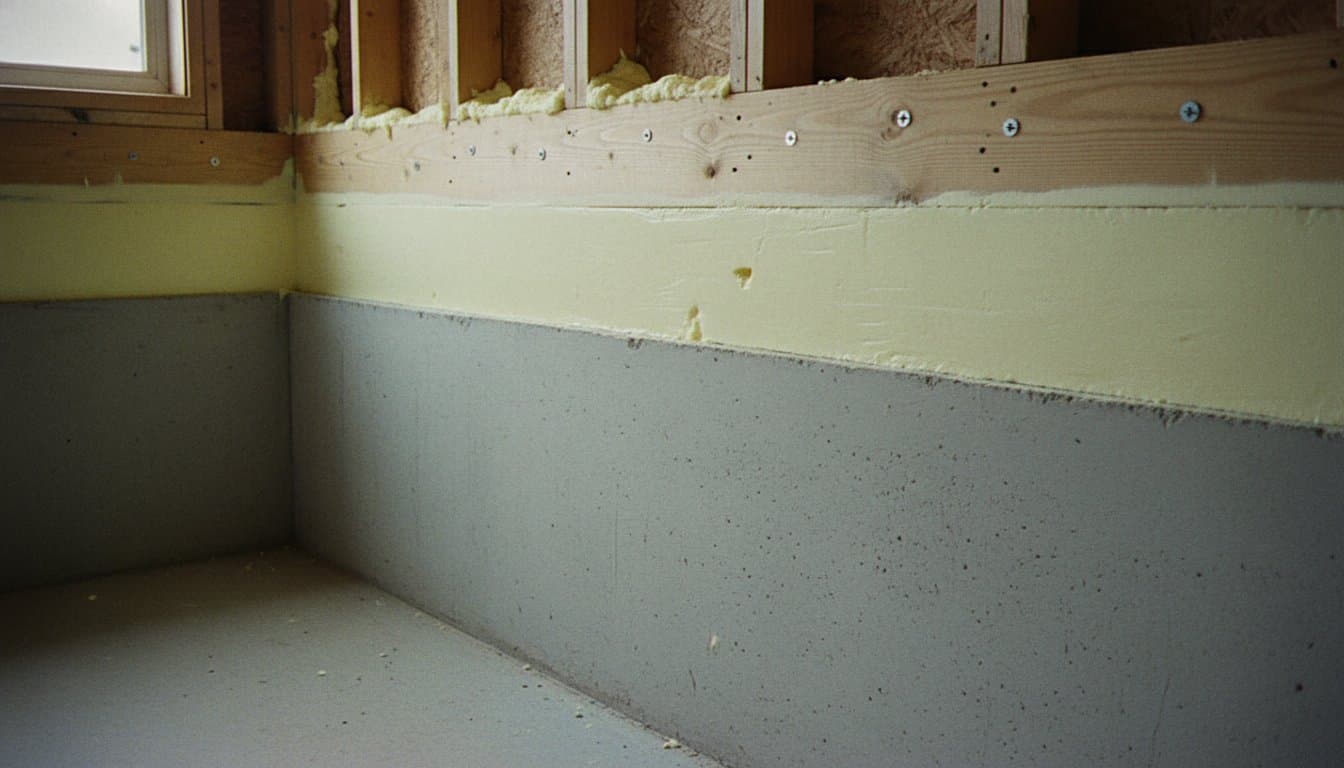
Basement rim joist sealed with trimmed closed-cell foam
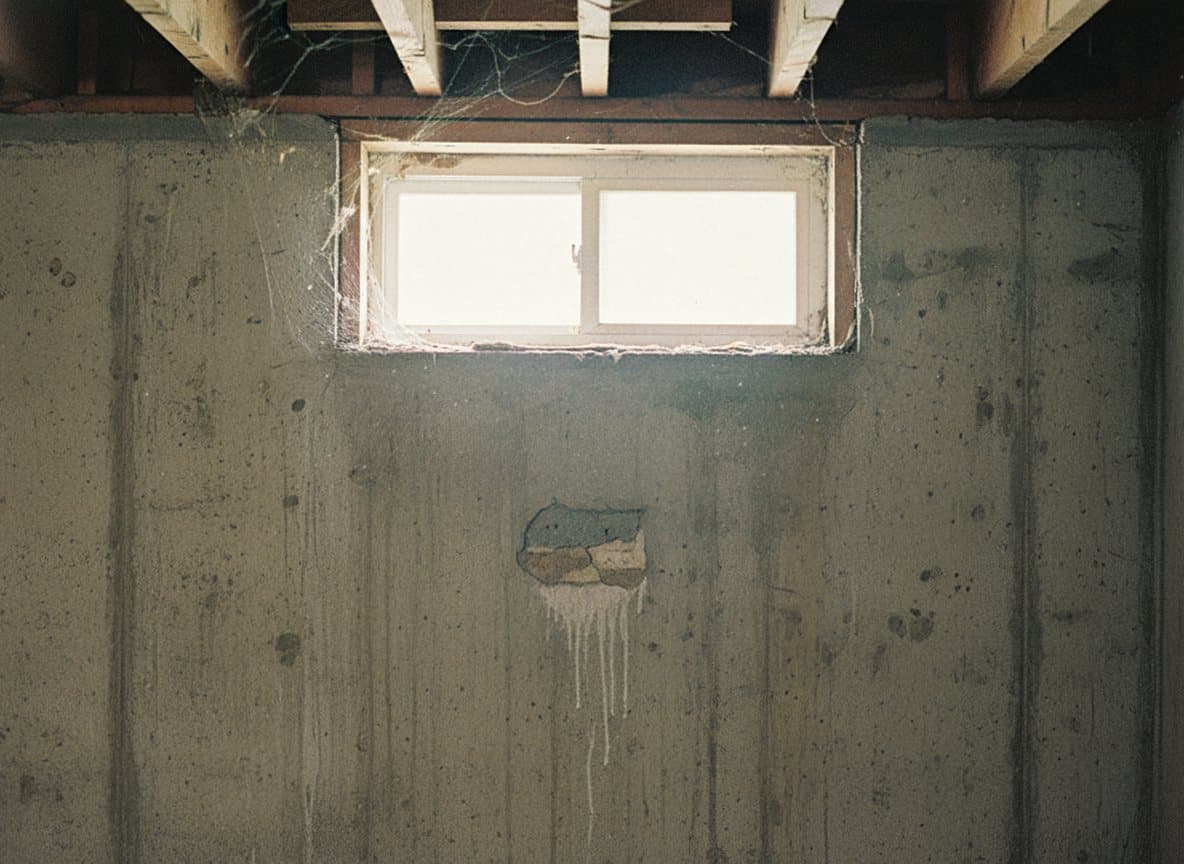
Bare uninsulated rim joists and drafty foundation wall
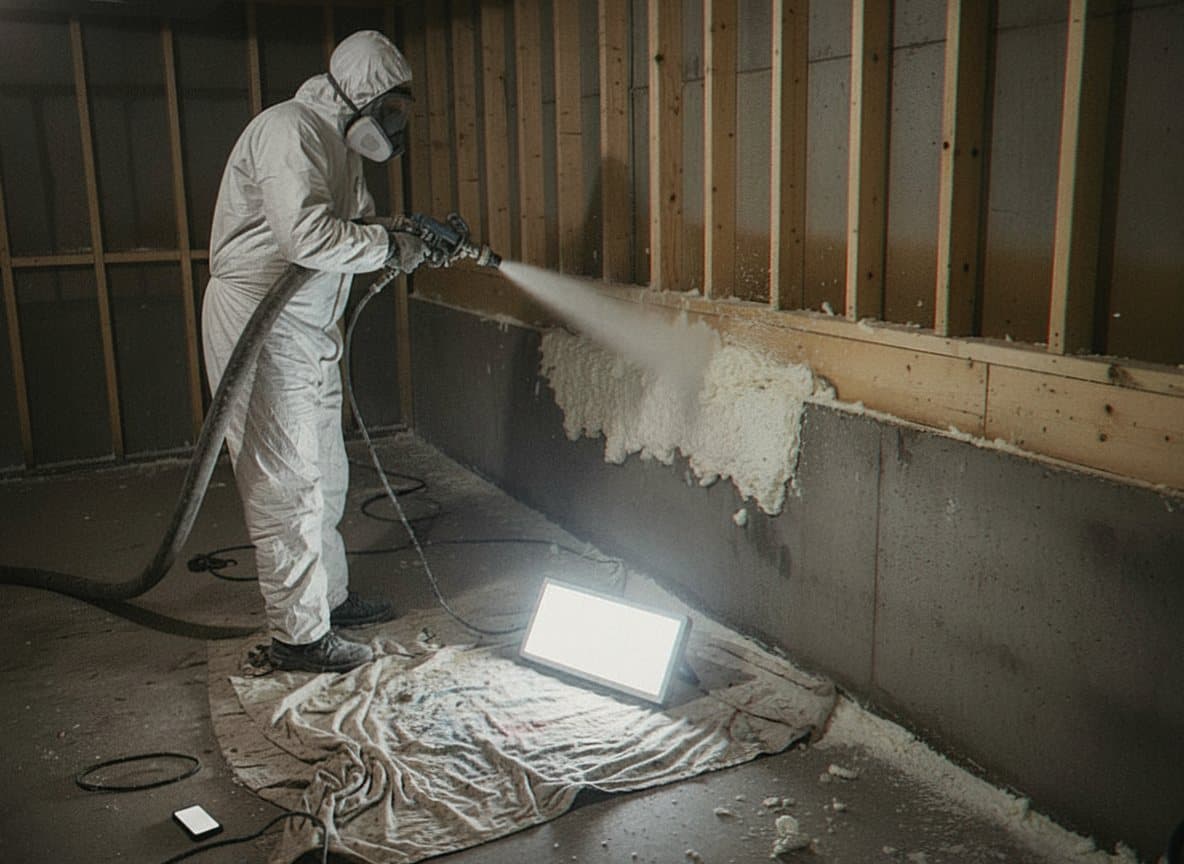
Technician spraying closed-cell foam along a basement band joist
What we install

Dense Foam That Locks Out Cold And Damp

Closed cell spray foam is the foam we reach for when part of your Rochester Hills home sits right against the cold, like the rim joist where the floor meets the foundation, or a basement wall that stays clammy through the whole winter. These spots leak air and let damp in, and that is exactly where the heat slips out of the house and your furnace pays for it. We spray a dense layer of closed cell foam into those gaps so the cold stays outside. It hardens fast. Once it sets, air and water cannot push through it. A room over the garage that never warms up, or a floor that feels like ice in February, often traces back to one of these cold, leaky spots, and this is the fix we use.

Closed cell spray foam goes down as a liquid and swells in seconds. Our crew sprays it in thin passes, and each pass cures into a hard, dense layer. We build it up to the depth your space needs, usually a couple of inches at a rim joist or more on a full basement wall. The foam grips the wood and block, fills every gap, and leaves no path for air to sneak through. It is dense stuff. Closed cell foam carries close to 6.8 R per inch, so even a thin layer does real work in the tight spots where the cold gets in. It also stiffens the framing it bonds to. Before we spray, we clean and dry the surface, because foam will not stick to a wet or dusty wall. The prep is half the job.

  • Blocks air and water in one dense layer.
  • Packs a high R value into a thin coat, close to 6.8 per inch.
  • Hardens into a solid skin that will not sag or settle.
  • Adds stiffness to rim joists and walls as it bonds to the wood.
  • Stops the cold floors and drafts that older Rochester Hills homes fight all winter.
Closed cell foam seals air and stops water in a single pass, exactly what a cold Michigan basement needs.

We work Rochester Hills and the rest of Oakland County, and closed cell spray foam is a big part of what we do. We know the homes here. From the brick ranches off Avon Road to the older places near downtown Rochester, we have seen where they leak and how hard a Michigan winter pushes on a cold basement wall. So when we come out, we look at the real problem and tell you straight whether closed cell foam is the right call or whether a lighter foam would do the job for less. Sometimes a rim joist is all you need sealed. We will say so. We show up when we say we will, we protect your floors, and we walk the finished work with you before we leave.

If a cold rim joist or a damp basement is driving up your heating bill, we can help. Get your free closed cell spray foam quote today.

Materials

What Goes Into A Quality Closed Cell Job

Closed cell spray foam comes from two liquids that meet at the gun and react. The mix has to hit the right ratio and the right heat, or the foam never sets hard. A bad batch can stay soft or hold a smell for weeks. We run our gear by the numbers and check the set on every pass, so what goes on your wall cures the way it should. Good foam feels solid and dry to the touch within minutes.

Depth is the other half. Closed cell foam works because it is dense, so even a thin layer carries a high R value, near 6.8 per inch. A cheap crew sprays one quick coat and moves on. We measure as we go and pass back over any low spots, because an even layer is what keeps the cold out across the whole wall. We also seal the air leaks first, since foam laid over an open gap is just wasted money.

  • Two liquids mixed at the right ratio and heat.
  • Sprayed in thin passes and built to an even depth.
  • Close to 6.8 R per inch, so a thin layer does the work.
  • Air leaks sealed before the foam goes down.
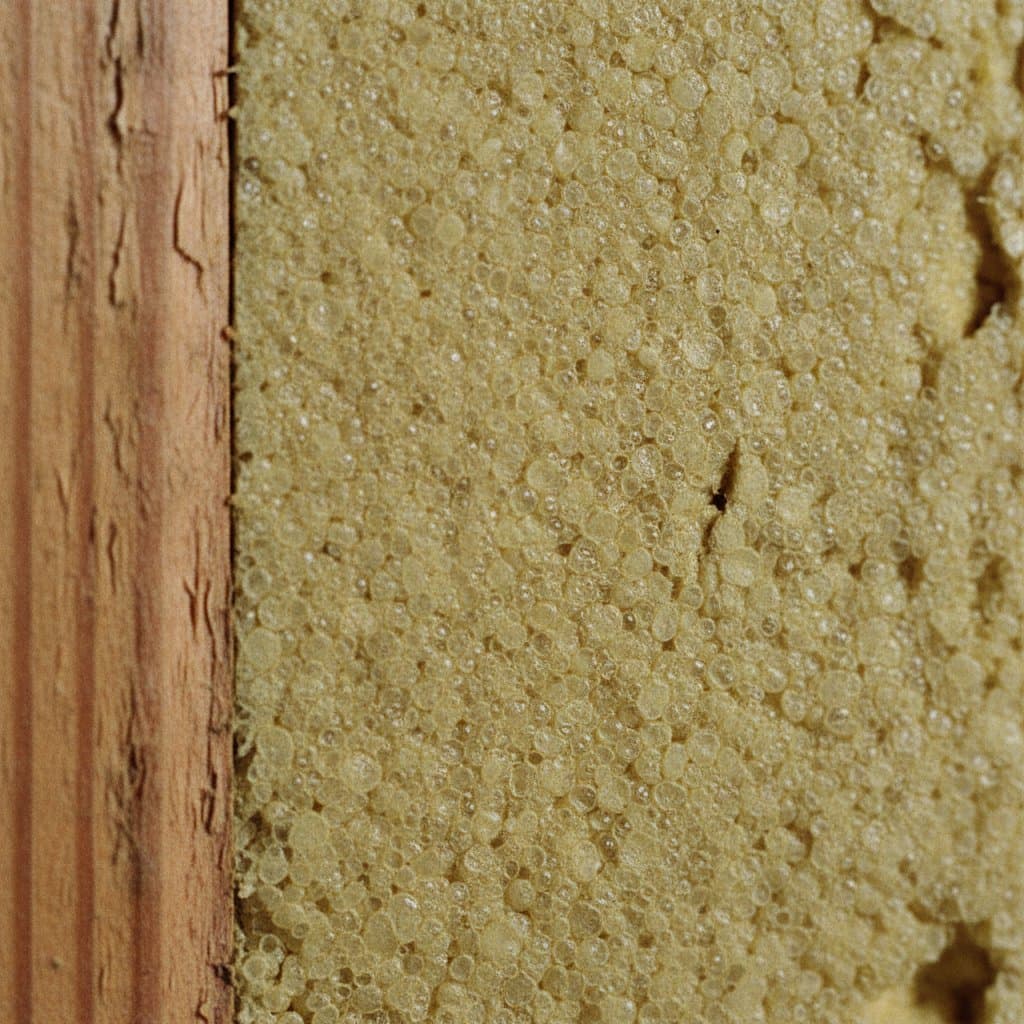
Close-up of cured closed-cell spray foam at stud edge
Close-up of heated hoses on a spray foam rig
What about the alternatives?

Closed Cell Foam Against The Other Options

Closed cell foam is our usual pick for the cold, damp spots, but it is worth seeing it next to the other ways a Rochester Hills homeowner might insulate before you call.

Closed cell spray foam

Dense and hard. It seals air and blocks water in one layer, which is why it is our top pick for rim joists, crawl spaces, and the basement walls that sit right against cold ground.

Recommended

Open cell spray foam

Lighter and cheaper, it fills deep wall and roof bays and quiets a room while it seals. It is a solid choice indoors. It just does not stop water the way closed cell foam does.

Acceptable

Fiberglass batts

Low cost up front. They sag, leave gaps, and do nothing to stop air, and in a damp Michigan basement they can soak up water and feed mold.

Skip

Doing nothing

Nothing changes. The cold floors and the high bills stay, and a damp rim joist only gets worse over a few more winters, so waiting tends to cost more in the end.

Skip
How it goes

From quote to walk-on, fast.

1

Free walk-through

A short on-site visit. We look at the job in person and write a fixed quote on paper, not over the phone.

2

Prep the surface

The slow, unglamorous step most shortcuts skip. Done right here so the finish actually holds.

3

Do the work

A local crew runs the job in the order that lasts, with the materials named in the quote.

4

Walk it together

We hand the work back with a final walk-through, so you see exactly what was done and why.

Before you book

A Few Things Homeowners Ask First

Closed cell spray foam is a real investment, so it makes sense to ask a few questions before you book. Here are the ones we hear most.

Is closed cell spray foam safe once it cures?

Yes. While we spray, the area needs to be clear and aired out, which is why we set up ventilation and keep you out of the space. Once the foam cures, it turns into a stable, solid layer that just sits in the wall. We let it set fully and air the space before anyone moves back in.

Can you spray it over my old insulation?

Usually we take the old stuff out first. Closed cell foam needs a clean, dry surface to grip, and old batts can trap moisture or hide a leak. We pull the old insulation, check the wood underneath, then spray onto a sound surface so the foam bonds the way it should.

Where does closed cell foam help the most?

In the cold, damp spots. The rim joist around the basement, a crawl space wall, and any surface that sits against the cold ground are where closed cell foam earns its keep. Those are the places that leak the most air and let damp in, so sealing them changes how the whole house feels.

How long does a closed cell foam job take?

Most homes we do in a single day. A rim joist or a stretch of basement wall can be done in a few hours, while a larger crawl space or a whole basement may run the full day. We mask off and protect the area first, then spray, trim, and clean up. By the time we leave, the only sign we were there is a warmer floor.

Aftercare

Living With Closed Cell Foam After We Leave

The good news with closed cell spray foam is that it asks almost nothing of you. Once it cures, it stays put. It will not sag, settle, or break down the way loose insulation can, so there is no topping it up every few years. You do not need to seal it, paint it, or treat it. If you finish the basement down the road, drywall can go right over the foam with no extra step. About the only thing worth doing is a quick look during any other basement or attic work, just to make sure nothing has been cut into or pulled away. Mice and other pests do not nest in it the way they burrow into old batts, which is one less worry in an older home. If a plumber or electrician opens a wall later, we can come back and reseal the spot so the whole shell stays tight.

  • No topping up. Closed cell foam holds its shape and R value.
  • Nothing to seal, paint, or treat once it has cured.
  • Take a quick look if another trade opens a wall or floor.
  • Call us to reseal any spot that gets cut into later.
Homeowner comfortable on a finished basement floor
FAQ

Closed Cell Spray Foam Questions

What is the difference between open-cell and closed-cell spray foam?

Closed cell foam is dense and hard. It packs a high R-value into a thin layer and blocks both air and water, which is why we reach for it on rim joists and crawl spaces where the cold sits right against the wood. Open cell foam is the lighter one. It expands to fill a whole wall bay and quiets the room while it seals, and we pick the foam that fits the space before we ever spray.

Is spray foam insulation worth it for an older Rochester Hills home?

For most older homes here, yes. The attic floor, the top of the walls, and the rim joist are where the air leaks worst, and once we seal those gaps the furnace runs less and the cold rooms finally warm up. We come out and find the real problem. Then we put a free quote in writing before you owe us a thing.

How much can spray foam insulation lower my energy bills?

It depends. How leaky your home is now, and where we seal it, decides how much you save, but most homes bleed heat through the attic and the rim joist. Close those gaps and the furnace cycles less. We give you an honest read instead of a wild promise.

Is spray foam insulation safe once it is fully cured?

Yes. Once the foam cures hard it turns inert, and it stays put in your walls and attic without giving off fumes. The key is a clean mix and a full cure. So we run our gear by the numbers, watch the set on every pass, and air the space out before you move back in.

Can you spray foam over my existing insulation, or does it need to come out first?

It depends on what is there now. Old, wet, or moldy insulation has to come out first, because foam will not stick to a dirty or damp surface. Dry, sound insulation can sometimes stay. We check the space and tell you which way makes sense for your home.

Ready for a quote in Rochester Hills?

Send a few photos or book a free on-site walk-through. A fixed written quote within one business day.

CallFree quote