Commercial Spray Foam Insulation · Rochester Hills

Commercial Spray Foam Insulation For Rochester Hills Buildings And Pole Barns

Commercial spray foam for warehouses, pole barns, and metal shops in Rochester Hills, so the space holds heat and steel stops sweating.

1-3 days installs · typical timeline

Free Commercial Spray Foam Insulation quote.

Tell us about the job. We reply within one business hour.

Your information is kept private. No spam, ever.

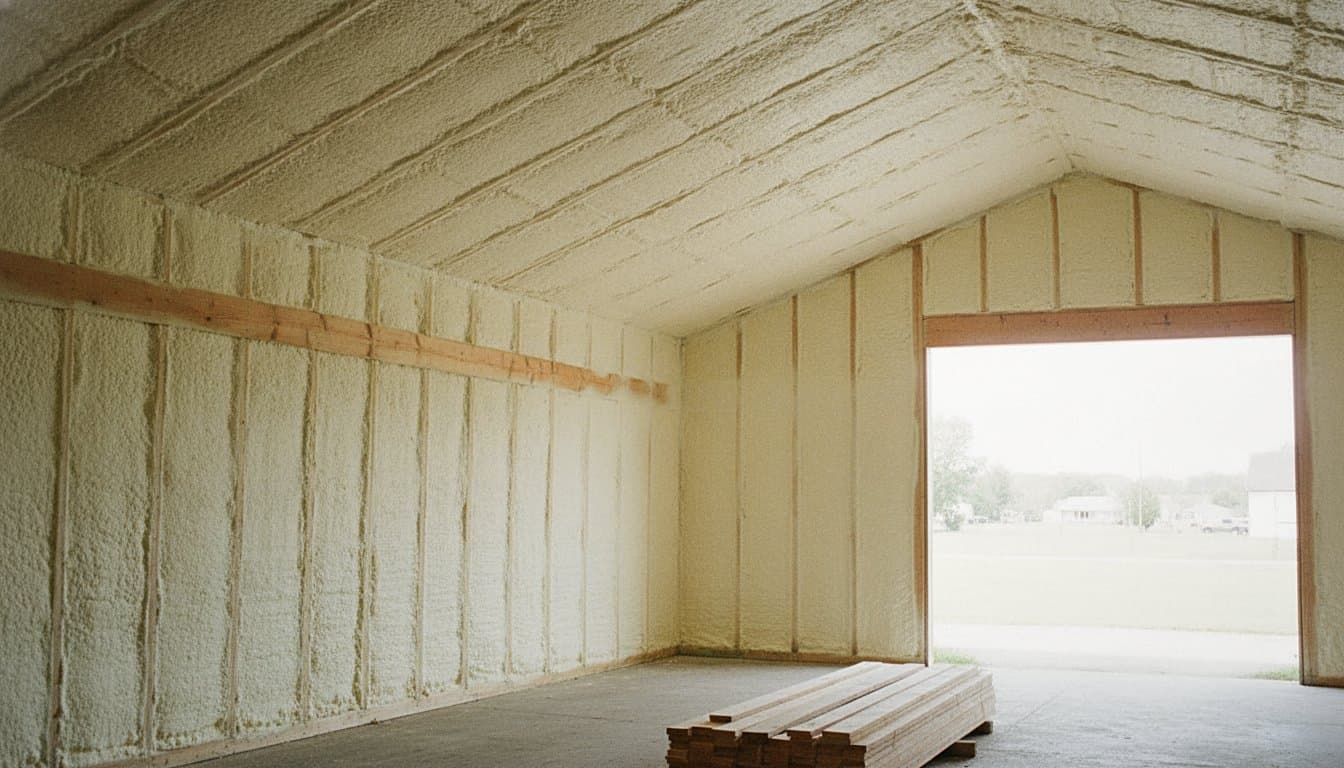
Pole barn interior with metal roof and walls foamed
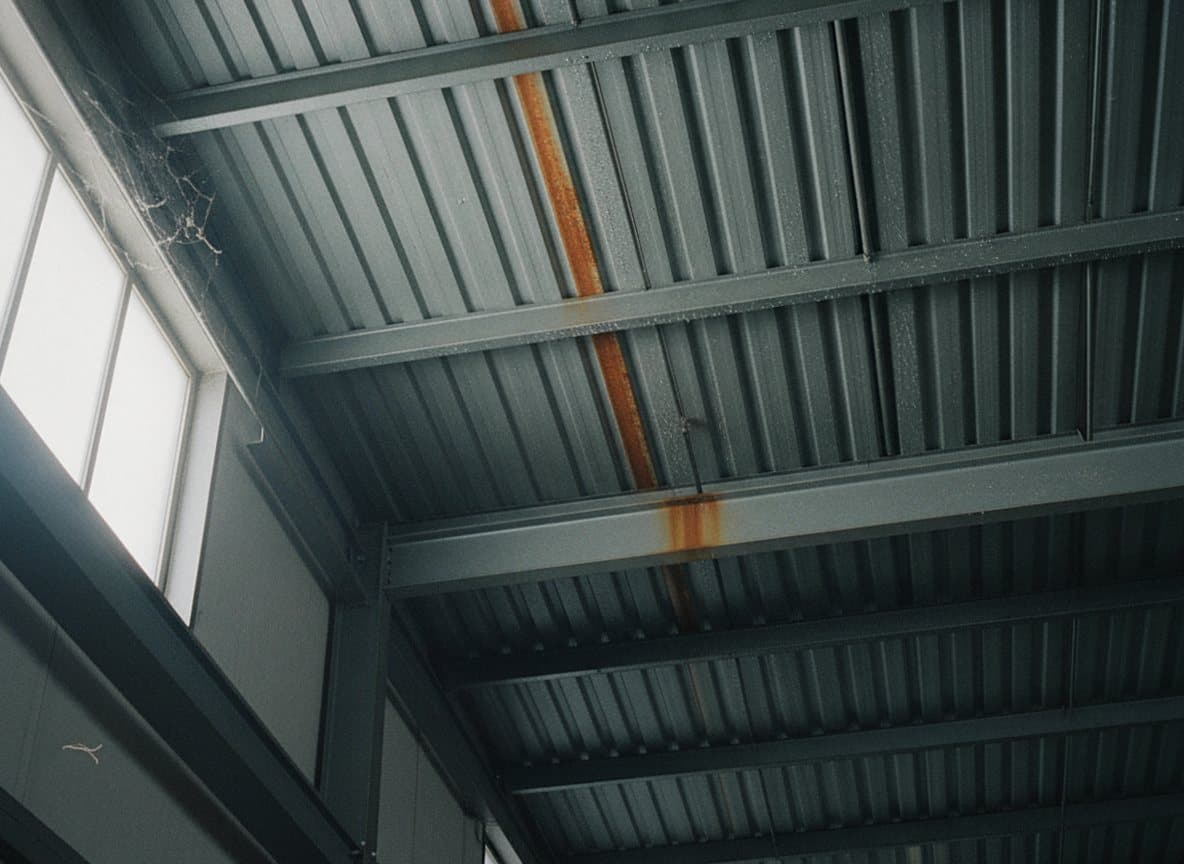
Bare metal warehouse roof underside with condensation
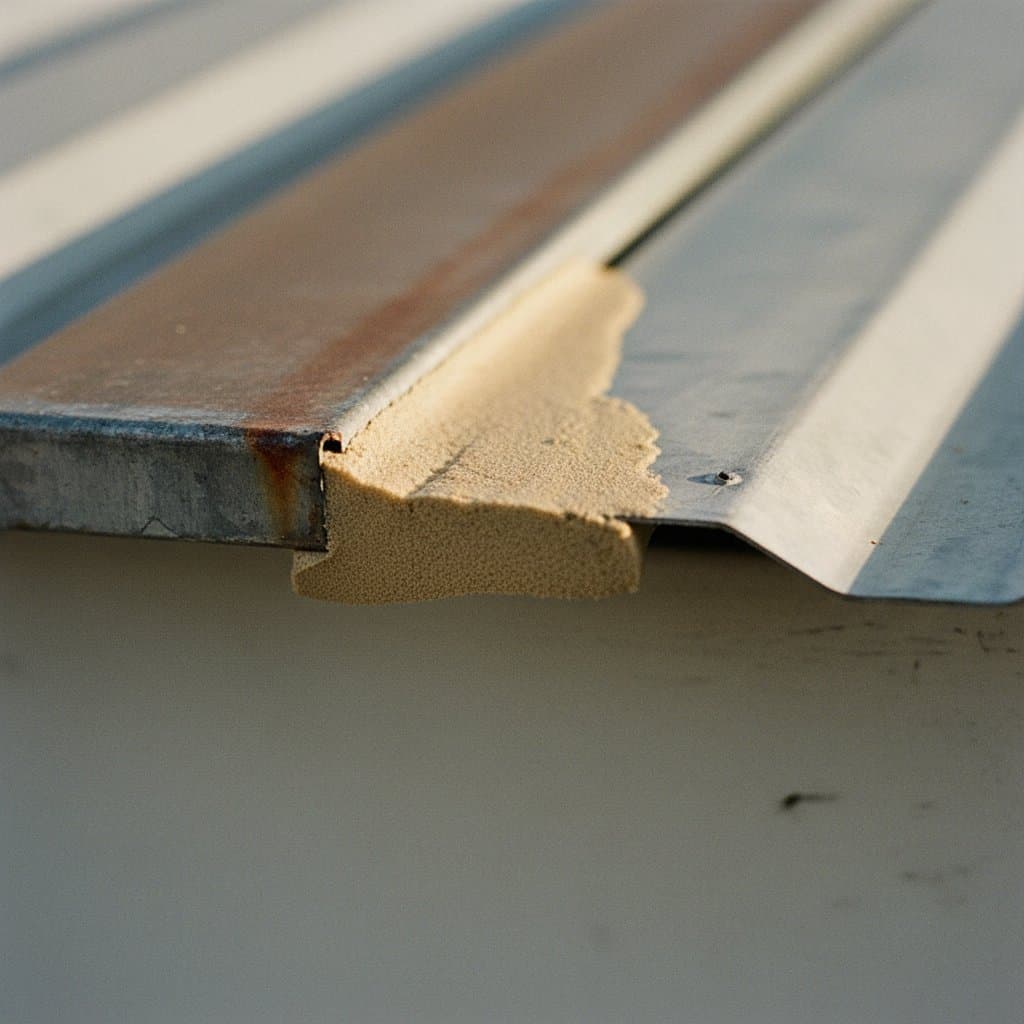
Close-up of foam sealing a steel purlin roof joint
What we install

Keep Your Building Warm And The Steel Dry

Commercial spray foam is the fix when a metal building or pole barn near Rochester Hills will not hold a steady temperature. A bare steel shell does nothing to stop heat. In summer the sun bakes it, and in a Michigan winter the cold pours right through. Worse, the warm air inside hits that cold steel and turns to water, so the roof drips on your stock, your tools, and the floor. We spray foam straight to the underside of the deck and the walls, which seals the air and stops the sweat in one pass. The drips stop. It works hand in hand with closed cell spray foam, since the same dense foam that warms a home is what tames a big steel box. You notice the change on the first cold morning after, when the floor stays dry and the space finally warms up.

A commercial spray foam job is bigger than a house, but the method is the same. We start by checking the building, the metal, the framing, and where the air and water get in. Then we pick the foam. For a metal roof or wall, we lean on closed cell foam, because it is dense, blocks water, and acts as its own vapor barrier against the cold steel. It also adds a little stiffness to the panels. Open cell foam has its place too, mostly on inside walls and ceilings where you want to quiet the space and the sweat risk is low. We mask off your equipment, set up air movers, and spray to the depth the building needs. Most jobs run one to three days, and we work around your hours so the business keeps moving.

  • Stops the condensation that drips off cold steel onto your stock and floor.
  • Holds a steady temperature, so heating and cooling a big space gets easier.
  • Seals the air leaks that make a metal building impossible to warm.
  • Closed cell foam adds a little rigidity to the metal panels.
  • We work around your hours so the business keeps running.
A bare metal building fights you every winter. The right foam turns it into a space you can actually heat.

We cover Rochester Hills and the rest of Oakland County, and commercial spray foam is a big part of what we do. We have foamed pole barns out past Lake Orion, work shops in Auburn Hills, and storage buildings down in Troy. We know how a hard Michigan winter works on bare steel. We know the dew point math that decides whether your roof drips on the floor. So when we quote your building, we tell you straight which foam fits, how thick it needs to be, and what it will actually fix. We do not pad the job or push you toward more than the building needs. We block out the time, we show up when we say we will, and we protect the gear and stock that has to stay put. When the spraying is done, we walk the whole building with you, point out the seams we sealed, and clean the site before we pack up.

If your shop, barn, or warehouse never holds its heat, commercial spray foam is the answer. Get your free on site quote today and we will tell you exactly what your building needs.

Materials

What Goes Into A Commercial Foam Job

A commercial spray foam job lives or dies on the prep, just like a house, only there is more of it. Steel has to be clean and dry before any foam touches it, or the foam will not bond and will peel in sheets later. So we wire brush off the rust and surface dirt, wipe down oil, and let any damp spots dry. We mask your machines, racks, and stock, then run air movers to keep the air moving while we spray. On a big metal roof we also plan our lifts and staging so we can reach every purlin and panel seam. Cut corners here and you get a thin, patchy coat that fails the first cold snap.

Thickness and the right foam matter as much as a clean surface. On a metal roof or wall we spray closed cell foam, because it gives about 6.8 R per inch, blocks water, and keeps the steel above the dew point so it cannot sweat. Two or three inches does serious work. Open cell foam runs near 3.9 R per inch and expands to fill a deep bay, so we use it on inside walls and ceilings where sound matters more than moisture. We measure depth as we spray and pass back over any thin spots. The goal is one even layer across the whole building, not a number that only looks right on the quote.

  • Steel cleaned and dried so the foam actually bonds.
  • Your machines, racks, and stock masked before we spray.
  • Closed cell foam on metal to block water and sweat.
  • Depth measured as we go for one even layer.
  • Air movers running the whole time we work.
What about the alternatives?

Commercial Spray Foam Against The Other Options

Owners try to tame a metal building a few ways, and some of the cheaper fixes barely move the needle. Here is how the choices compare for a Rochester Hills building.

Closed cell spray foam on the steel

We spray dense foam right to the metal, which seals the air, blocks the water, and stops the sweat in one pass. It handles the heat and the condensation together, which the cheaper options never quite manage. That is why we reach for it first on metal buildings.

Recommended

Fiberglass batts or blankets

Batts hung under a metal roof feel cheap and quick. The trouble is they trap the damp air against the cold steel, so the metal still sweats and the wet batts sag and fall. In this climate they tend to make the moisture problem worse.

Skip

A vapor barrier sheet alone

A plastic sheet or facing slows some moisture and costs little. It is better than bare steel. On its own though it does almost nothing for temperature, and any tear or seam lets the damp air right back through to the metal.

Acceptable

Leaving the building bare

The steel keeps sweating, the space stays freezing in winter and baking in summer, and the drips keep landing on your stock. Heating a bare metal box just sends your money straight out through the panels.

Skip
How it goes

From quote to walk-on, fast.

1

Free walk-through

A short on-site visit. We look at the job in person and write a fixed quote on paper, not over the phone.

2

Prep the surface

The slow, unglamorous step most shortcuts skip. Done right here so the finish actually holds.

3

Do the work

A local crew runs the job in the order that lasts, with the materials named in the quote.

4

Walk it together

We hand the work back with a final walk-through, so you see exactly what was done and why.

Before you book

A Few Things Owners Ask First

A commercial spray foam job is a real line in your budget, so it makes sense to ask a few questions before you book. Here are the ones we hear most from Rochester Hills owners.

Will the foam stop my metal roof from dripping?

Yes, and that is the main reason owners call us. The drips come from warm inside air hitting cold steel and turning to water. Closed cell foam sprayed right to the deck keeps the metal warm and seals the air, so there is nothing left to condense. Once it cures, the sweat stops.

Can you work without shutting my business down?

Most of the time, yes. We section off the area we are spraying, mask your equipment, and keep the air moving so you can keep working in the rest of the building. On a tight space we can plan around your off hours or a slow day. We talk the schedule through before we start.

Closed cell or open cell for my pole barn?

It depends on how you use the barn. For a heated shop or any building where the steel sweats, we lean on closed cell foam, because it blocks water and adds a vapor barrier. For a simple space where you mostly want quiet and a little warmth, open cell can do the job for less. We walk your barn and tell you which one fits.

How long does a commercial job take?

Most run one to three days, depending on the size of the building and how much prep the steel needs. A clean pole barn sprays fast. A big warehouse with rust to brush and a lot of staging takes longer. We give you a real timeline with the quote, not a guess.

Aftercare

Living With A Foamed Building

The best part of commercial spray foam is that it asks almost nothing of you once we leave. Closed cell foam cures hard against the steel, holds its shape, and keeps its R value, so there is nothing to top up the way old batts always need. You never paint it or treat it. It sits right up against the deck, well out of the way. About the only thing worth doing is a quick look if a trade ever cuts into it to run a wire, a pipe, or a new vent. Pests do not nest in cured foam the way they burrow into loose insulation, which is one less worry in a working barn. If a panel ever gets opened up, just call us, and we will reseal the spot so the whole shell stays tight.

  • No topping up. The foam holds its shape and R value for years.
  • Nothing to paint or treat once we finish.
  • Take a quick look if a trade cuts into the foam later.
  • Call us to reseal any panel that gets opened up.
Pole barn interior with metal roof and walls foamed
FAQ

Commercial Spray Foam Questions Owners Ask

What is the difference between open-cell and closed-cell spray foam?

Closed cell foam is dense and hard. It packs a high R-value into a thin layer and blocks both air and water, which is why we reach for it on rim joists and crawl spaces where the cold sits right against the wood. Open cell foam is the lighter one. It expands to fill a whole wall bay and quiets the room while it seals, and we pick the foam that fits the space before we ever spray.

Is spray foam insulation worth it for an older Rochester Hills home?

For most older homes here, yes. The attic floor, the top of the walls, and the rim joist are where the air leaks worst, and once we seal those gaps the furnace runs less and the cold rooms finally warm up. We come out and find the real problem. Then we put a free quote in writing before you owe us a thing.

How much can spray foam insulation lower my energy bills?

It depends. How leaky your home is now, and where we seal it, decides how much you save, but most homes bleed heat through the attic and the rim joist. Close those gaps and the furnace cycles less. We give you an honest read instead of a wild promise.

Is spray foam insulation safe once it is fully cured?

Yes. Once the foam cures hard it turns inert, and it stays put in your walls and attic without giving off fumes. The key is a clean mix and a full cure. So we run our gear by the numbers, watch the set on every pass, and air the space out before you move back in.

Can you spray foam over my existing insulation, or does it need to come out first?

It depends on what is there now. Old, wet, or moldy insulation has to come out first, because foam will not stick to a dirty or damp surface. Dry, sound insulation can sometimes stay. We check the space and tell you which way makes sense for your home.

Ready for a quote in Rochester Hills?

Send a few photos or book a free on-site walk-through. A fixed written quote within one business day.

CallFree quote