Insulation Removal & Replacement · Rochester Hills

Insulation Removal And Replacement In Rochester Hills

We pull out old, damp, or pest ruined insulation, clean the space down to bare wood, and put in fresh foam that actually seals.

1-2 days installs · typical timeline

Free Insulation Removal & Replacement quote.

Tell us about the job. We reply within one business hour.

Your information is kept private. No spam, ever.

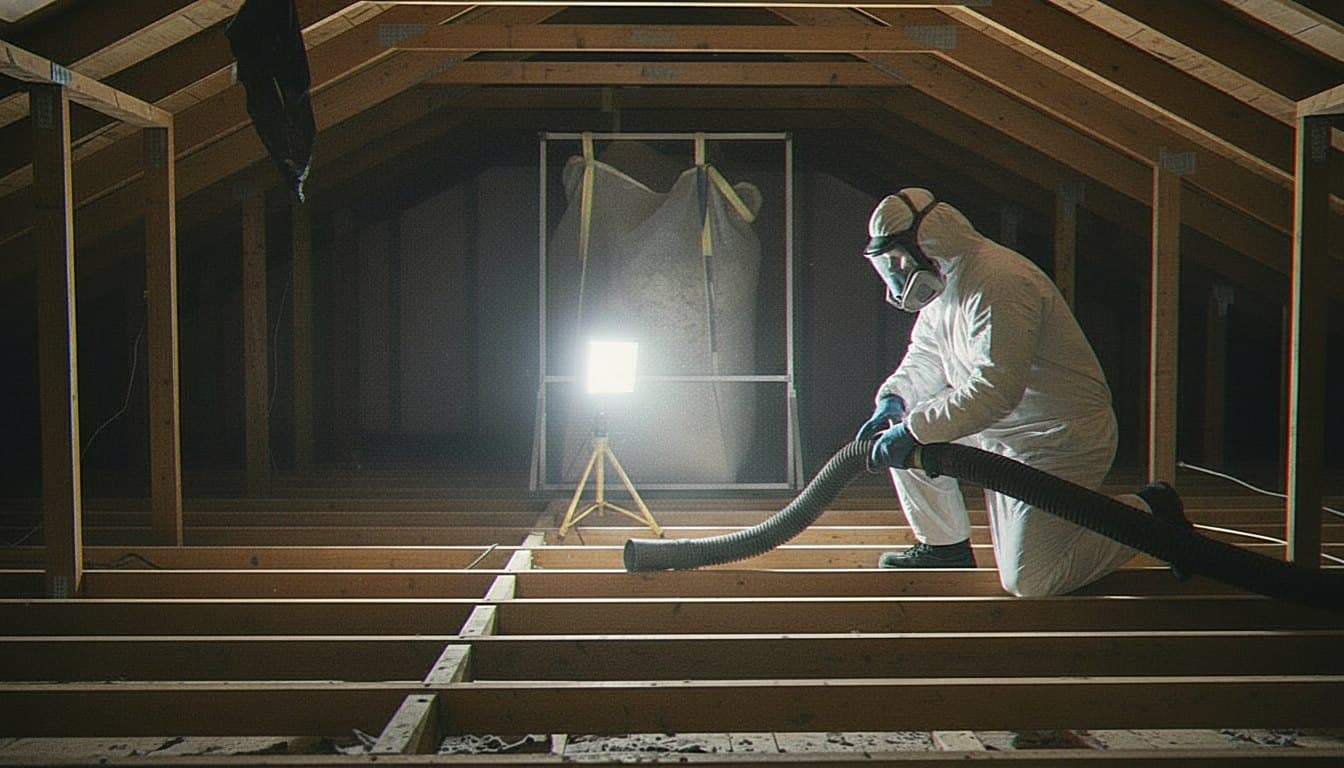
Technician vacuuming old loose-fill insulation from attic floor
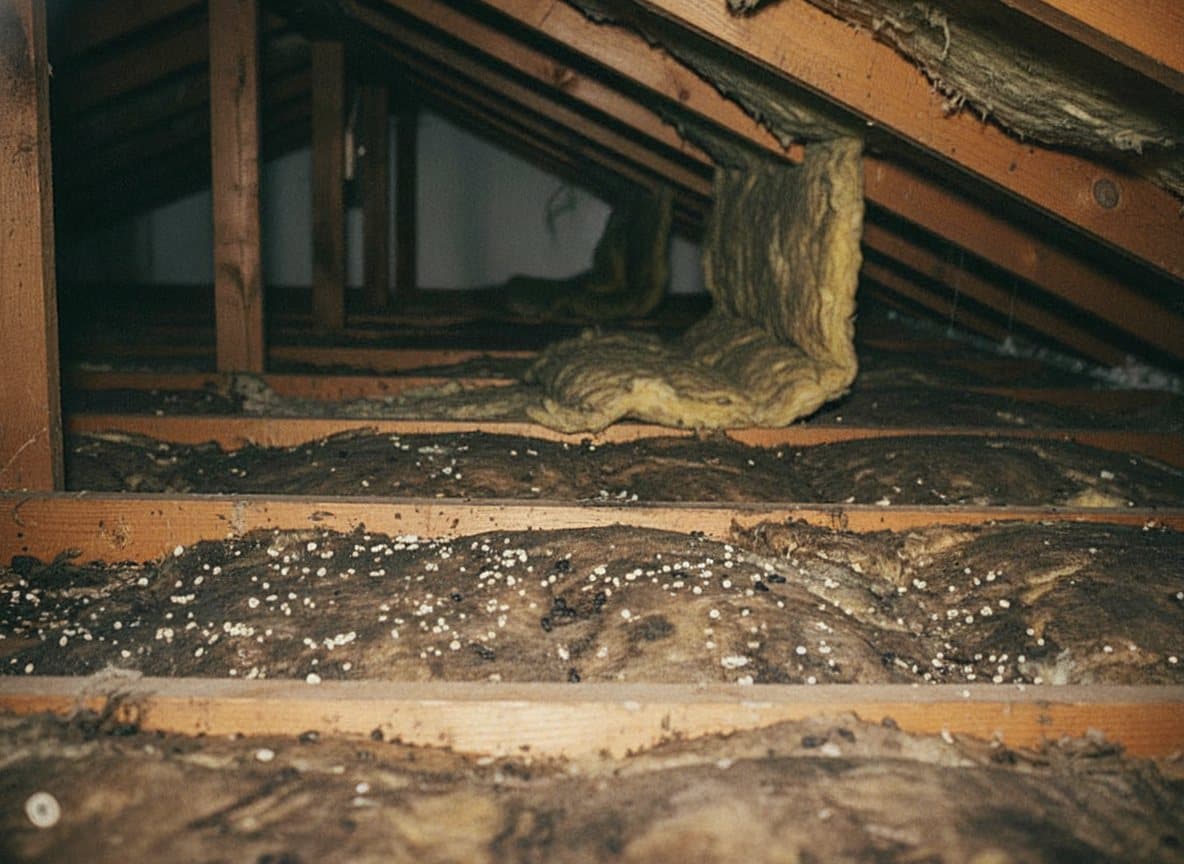
Filthy compacted old attic insulation stained with water marks
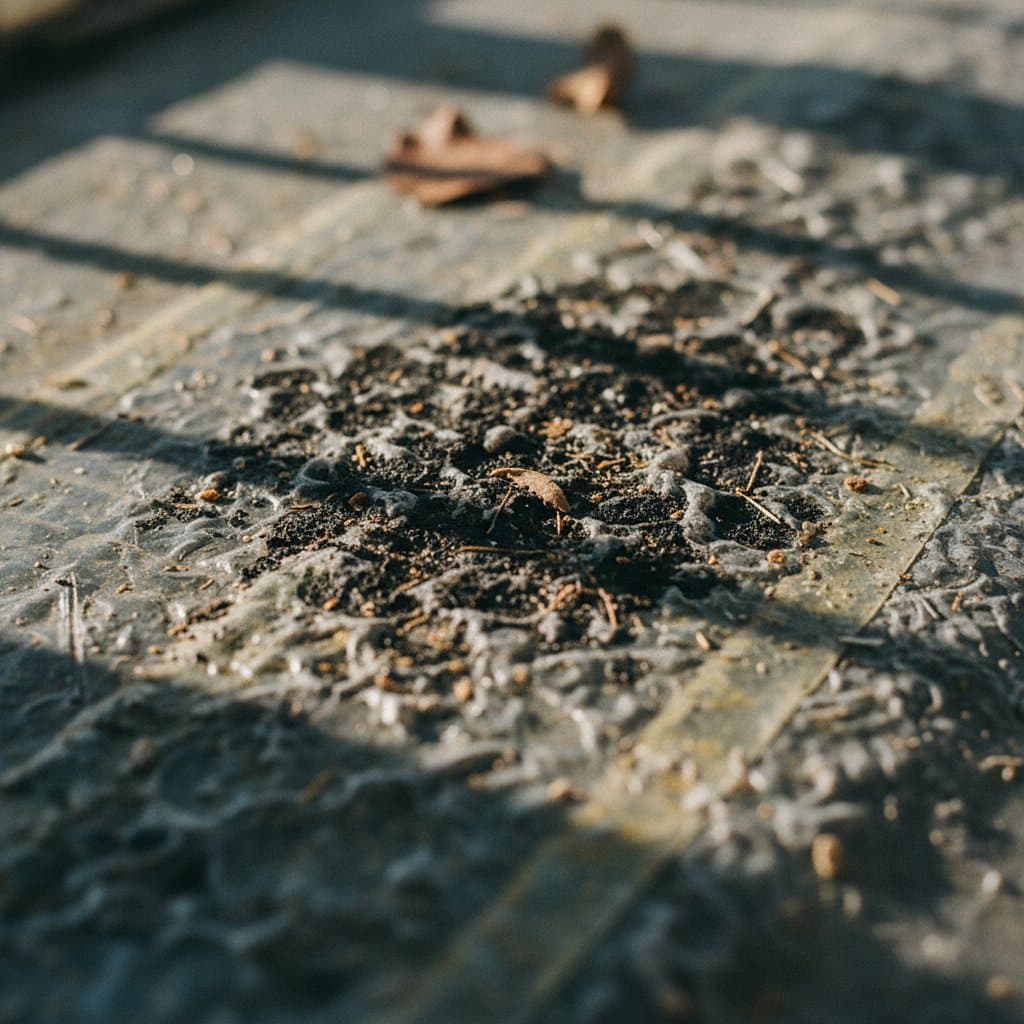
Close-up of matted water-stained fiberglass with mildew blotch
What we install

Out With The Old, In With A Real Seal

Insulation removal is the step a lot of Rochester Hills homes need before any new foam goes in. Old insulation does not last forever. Up in the attic, decades of settled fiberglass loses its loft and stops holding heat. Worse, a roof leak, a burst pipe, or a family of mice can leave the old batts wet, matted, and foul. Once that happens, the insulation is no longer helping. It is trapping damp against your wood and feeding mold and smell into the rooms below. You cannot fix that by piling new material on top. The old stuff has to come out first, and that is the part most homeowners would rather not handle themselves.

We handle the removal end to end. For loose fill in an attic we bring in a big vacuum that pulls the old material through a long hose and bags it outside, so the mess never tracks through your house. For batts we pull them by hand, roll them up, and haul them out. Then we clean. We sweep the joists, knock down the dust, and treat any spot where mold or rodent mess was sitting. Next we look at the wood underneath, because a leak that ruined the insulation often left a stain or soft spot we need to flag. Only once the space is clean, dry, and sound do we move on to the new foam. A fresh start under there is the whole point.

  • We vacuum out old loose fill so the dust never spreads through your home.
  • Wet, matted, or pest ruined insulation comes out for good, not buried.
  • We clean and treat the space so mold and smell go with it.
  • Bare joists get checked for leaks and soft wood before new foam.
  • You end up with a clean, dry deck ready for a real seal.
Old, wet insulation cannot be fixed in place. We take it out clean, then seal the space the right way.

We work Rochester Hills and the rest of Oakland County, and insulation removal is a regular part of what we do. We have crawled through plenty of attics up here, from the ranches over by Shelby Township to the older homes near downtown Rochester, and we know what decades of Michigan winters do to old insulation. So when we come out, we tell you straight what needs to go and what can stay. Sometimes only the wet section near an old leak has to come out. We will say so rather than strip the whole attic for no reason. We show up when we say we will, we protect the rooms below the hatch, and we leave the space cleaner than we found it.

If your old insulation is damp, matted, or full of pests, it is time for it to go. Get your free insulation removal quote today.

Materials

What Goes Into A Clean Removal

A clean removal is mostly about containment and care. The old insulation in your attic is full of dust, and some of it may carry mold spores or mouse waste, so the last thing you want is that drifting down into your living space. We seal off the work area and run the vacuum hose straight to a bag outside. The crew wears the right gear. We lay down protection on the path from the attic hatch to the door, because a careful exit matters as much as the removal itself.

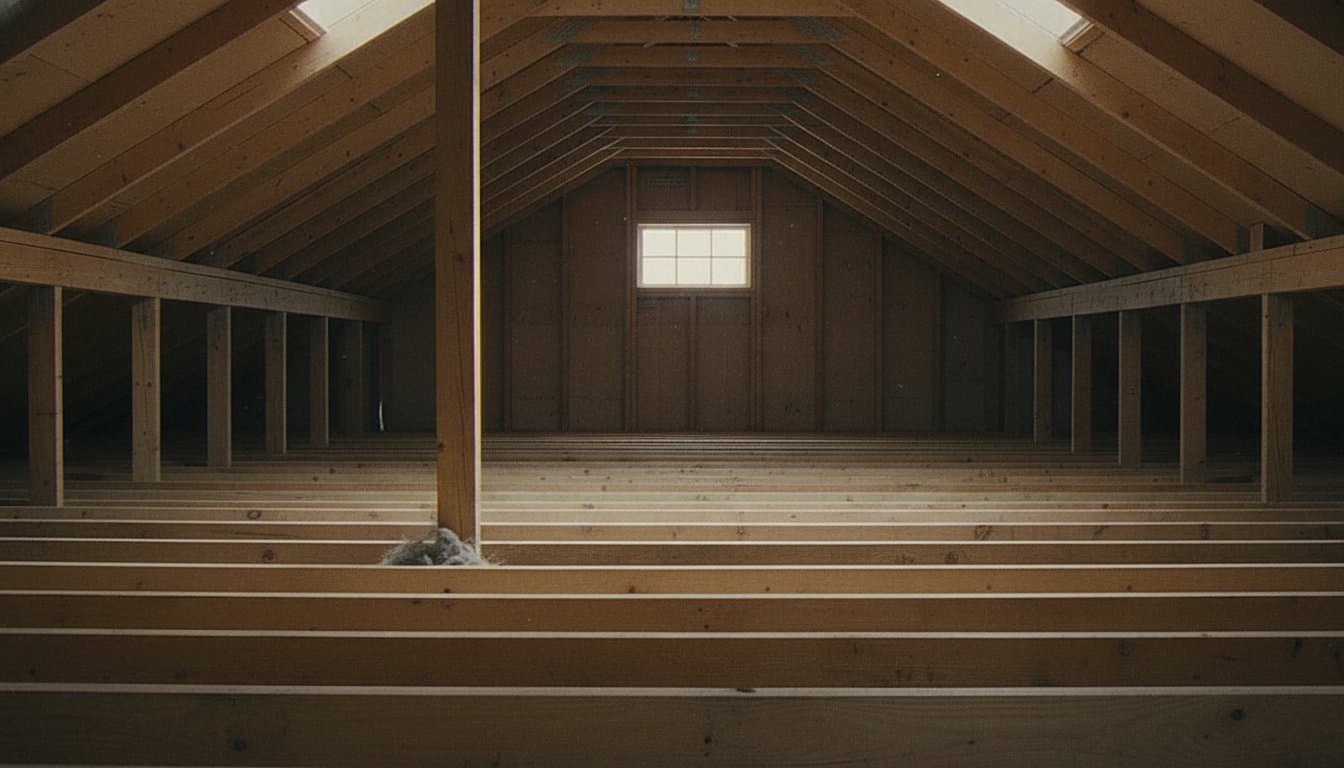
Then there is the part a rushed crew skips, which is everything after the bulk of the old insulation is gone. We do not just pull the obvious stuff and leave. We get the joist bays clean, knock down the clinging dust, and treat the spots where damp or pests left their mark. We check the deck and the framing for water stains and soft wood while the space is open and easy to see. A clean, dry, sound surface is the only honest base for new foam, and getting there is the real work of a removal.

  • Work area sealed off so dust stays out of your home.
  • Old material vacuumed straight to a bag outside.
  • Joists and bays cleaned, not just cleared.
  • Mold and rodent spots treated before anything new goes in.
  • Deck and framing checked for leaks and soft wood.
Clean stripped attic with bare swept joists for foam
Homeowner looking over a clean stripped attic
What about the alternatives?

Your Choices For Old, Tired Insulation

Old insulation does not always have to come out, and when it does, the cheap way is rarely the right one. Here is how the common choices compare for a Rochester Hills home.

Full removal, then new foam

We strip the old material, clean and check the space, then install fresh foam that seals air and holds its R value. It is the right call when the old insulation is wet, matted, pest ruined, or simply worn out after years of hard Michigan winters.

Recommended

Remove only the damaged section

If just one stretch near an old leak went bad, we can pull that section, fix the cause, and leave the sound insulation alone. It saves you money and still solves the real problem.

Acceptable

Adding new insulation over the old

Piling fresh material on top of wet, matted, or contaminated insulation feels cheap and fast. It seals the trouble in, so the mold and the smell stay and the new layer never performs.

Skip

Doing nothing

Ruined insulation does not recover on its own. It only gets worse. The damp keeps working on your wood, the smell hangs around, and the rooms below stay cold, so waiting tends to cost more in the end.

Skip
How it goes

From quote to walk-on, fast.

1

Free walk-through

A short on-site visit. We look at the job in person and write a fixed quote on paper, not over the phone.

2

Prep the surface

The slow, unglamorous step most shortcuts skip. Done right here so the finish actually holds.

3

Do the work

A local crew runs the job in the order that lasts, with the materials named in the quote.

4

Walk it together

We hand the work back with a final walk-through, so you see exactly what was done and why.

Before you book

A Few Things Homeowners Ask First

Insulation removal is messy work, so it makes sense to ask a few questions before you book. Here are the ones we hear most.

Do I really need to remove the old insulation?

Not always. If the old layer is dry, clean, and still in decent shape, we can often seal the air leaks and add right over it. But if it is wet, matted, or full of rodent mess, it has to come out, because new foam over ruined insulation just traps the trouble. We check what is up there and tell you straight.

Will the removal make a mess in my house?

We work hard to keep it clean. We seal off the area, run the vacuum hose to a bag outside, and lay down protection along the path to the door. Some fine dust is part of any attic job, but you should not find old insulation tracked through your home when we leave.

Is old insulation dangerous to handle?

It can be. Old attic material may hold mold, mouse waste, or fine irritating fibers, and a few older homes have material best left to people with the right gear. That is the main reason to let us handle it rather than pull it yourself. We come prepared for what is up there and bag it safely.

How long does a removal and replacement take?

Most jobs run one to two days. Pulling the old material and cleaning the space is the first stretch, and on a larger or messier attic that can fill a day on its own. Then we install the new foam. We protect the rooms below, do the work, and clean up before we go.

Aftercare

Keeping The New Insulation In Good Shape

Once the old insulation is gone and the new foam is in, there is very little for you to do. Foam holds its shape and its R value. There is no topping it up every few years the way loose fill needed. You do not seal it, treat it, or fuss with it. The one habit worth keeping is a quick look during any other attic or crawl space work, just to be sure no one has pushed it aside or cut the seal while running a wire. Watch for the early signs that first sent you to us. A damp smell, a water stain on the ceiling, or a new draft all point to a leak. Those are worth chasing down early. If a roof or pipe ever leaks above the new foam, fix the cause first. Then call us and we will check whether any of the foam needs attention. Keep an eye out for pests too, since the clean space you paid for is worth protecting.

  • No topping up. The new foam holds its shape and R value.
  • Take a quick look if another trade opens the attic or a wall.
  • Watch for damp smells or water stains as a sign of a new leak.
  • Fix any roof or pipe leak fast, then call us to check the foam.
Technician vacuuming old loose-fill insulation from attic floor
FAQ

Insulation Removal Questions Homeowners Ask

What is the difference between open-cell and closed-cell spray foam?

Closed cell foam is dense and hard. It packs a high R-value into a thin layer and blocks both air and water, which is why we reach for it on rim joists and crawl spaces where the cold sits right against the wood. Open cell foam is the lighter one. It expands to fill a whole wall bay and quiets the room while it seals, and we pick the foam that fits the space before we ever spray.

Is spray foam insulation worth it for an older Rochester Hills home?

For most older homes here, yes. The attic floor, the top of the walls, and the rim joist are where the air leaks worst, and once we seal those gaps the furnace runs less and the cold rooms finally warm up. We come out and find the real problem. Then we put a free quote in writing before you owe us a thing.

How much can spray foam insulation lower my energy bills?

It depends. How leaky your home is now, and where we seal it, decides how much you save, but most homes bleed heat through the attic and the rim joist. Close those gaps and the furnace cycles less. We give you an honest read instead of a wild promise.

Is spray foam insulation safe once it is fully cured?

Yes. Once the foam cures hard it turns inert, and it stays put in your walls and attic without giving off fumes. The key is a clean mix and a full cure. So we run our gear by the numbers, watch the set on every pass, and air the space out before you move back in.

Can you spray foam over my existing insulation, or does it need to come out first?

It depends on what is there now. Old, wet, or moldy insulation has to come out first, because foam will not stick to a dirty or damp surface. Dry, sound insulation can sometimes stay. We check the space and tell you which way makes sense for your home.

Ready for a quote in Rochester Hills?

Send a few photos or book a free on-site walk-through. A fixed written quote within one business day.

CallFree quote